[Last Updated: July 23rd 2013]
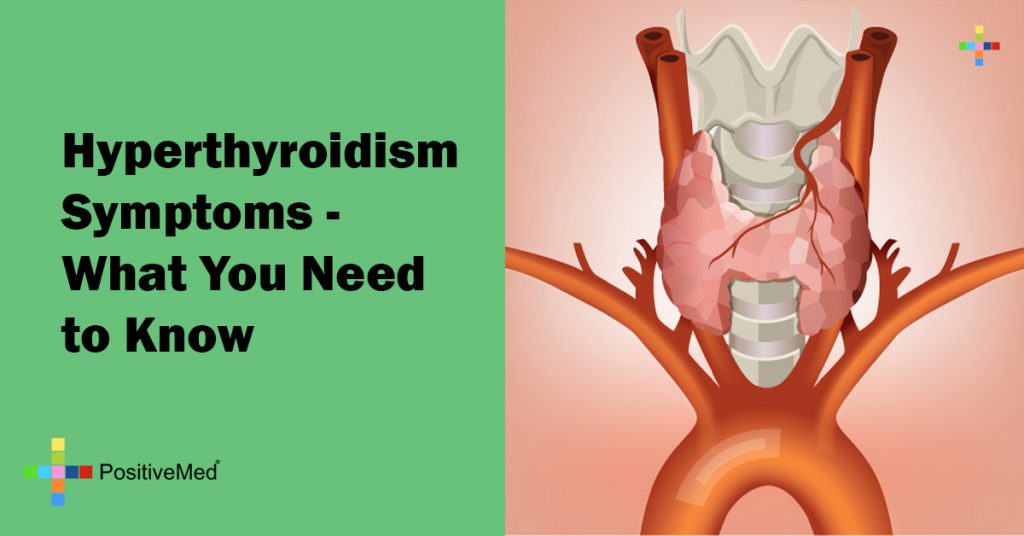
Thyroid problems are so common and it’s estimated that millions of Americans have thyroid issues. One of the most common thyroid problems is hyperthyroidism. Hyperthyroidism is when thyroid gland secrets hormone more than normal and it could mimic other health issues. Blood test of hormonal levels is the best tool for your doctor to diagnose hyperthyroidism. Check out this cartoon to learn more about hyperthyroidism symptoms:

Also here’s the list of hyperthyroidism symptoms, according to Mayoclinic:
- Sudden weight loss, even when your appetite and diet remain normal or even increase
- Rapid heartbeat (tachycardia) — commonly more than 100 beats a minute — irregular heartbeat (arrhythmia) or pounding of your heart (palpitations)
- Increased appetite
- Nervousness, anxiety and irritability
- Tremor — usually a fine trembling in your hands and fingers
- Sweating
- Changes in menstrual patterns
- Increased sensitivity to heat
- Changes in bowel patterns, especially more frequent bowel movements
- An enlarged thyroid gland (goiter), which may appear as a swelling at the base of your neck
- Fatigue, muscle weakness
- Difficulty sleeping
Symptoms of thyroid disease are often vague or “weird.” In this video Dr. Val Jones explains how to recognize symptoms of hypothyroidism and hyperthyroidism:
To learn more about thyroid activity click here.