Colorectal Cancer: Risks & Prevention
Colorectal cancer (also known as bowel cancer) is either or a combination of colon cancer (which involves the large intestine and lower part of the digestive system) and rectal cancer (which is the last several inches of the colon). Most colon cancer cases begin with small clumps of cells that are benign called adenomatous polyps. Over time, some of these polyps develop into colon cancer. They may be small and have few symptoms, if any. Due to their nature, doctors recommend regular tests to prevent colon cancer by finding and identifying polyps before they have a chance to develop into cancer.

Lifestyle and increasing age are to blame for most colorectal cancers, with a minute amount of cases from genetic factors. Risk factors for colorectal cancer include obesity, smoking, sedentary lifestyle, and poor diet. Dietary risks include processed meats, red meats, and alcohol. If one has inflammatory bowel disease, such as ulcerative colitis or Crohn’s disease, this can increase one’s chances for developing this type of cancer. Some of the inherited conditions include hereditary non-polyposis colon cancer and familial adenomatous polyposis – however, this occurs in less than 5% of cases. As mentioned before, it will usually begin as a benign growth, either a tumor or polyp, which becomes cancerous over time.
Symptoms and signs of colorectal cancer, if there are any, mostly depend on the location of the growth in the bowel and whether or not it has spread to other parts of the body. Some of the typical warning signs include: nausea or vomiting, loss of appetite, blood in the stool, continuously worsening constipation, decrease in stool thickness, and unplanned loss of weight.
The latest numbers in America state that while rates have fallen amongst Americans older than fifty, cases among adults from 20-49 are rising and are going to continue to do so… So, how do you stop yourself from becoming a statistic? Well, that’s where the bad news comes in. Scientists are still trying to figure out how to prevent colorectal cancer and many studies are being conducted, but there haven’t been any concrete findings as of this publishing.
However, there are some risk factors that can be avoided.
• Stop smoking. Seriously. Do it, do it right now. Find a way to do this and your chances of being alive in ten years without being hooked up to a machine will increase three-fold, if not more.
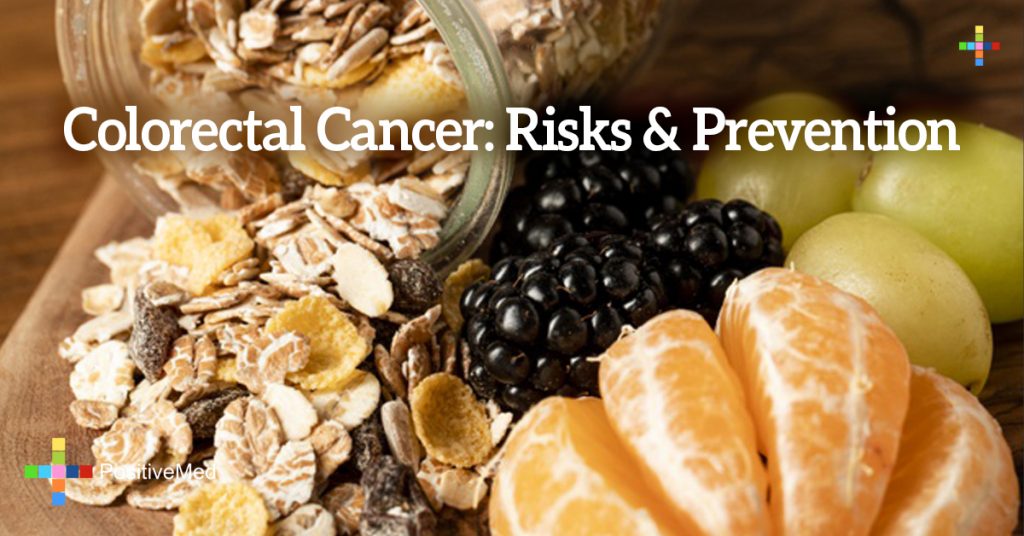
• Add more fiber to your diet, lessen your alcohol and red meat intake. Decrease carbohydrates – chances are, you’re getting more than fifty percent of your daily calories from them and that can hurt you in the long-run in many different ways.
• Start exercising regularly, even if it’s only thirty minutes split into three ten minute increments throughout the day.
• Take breaks from your computer, walk around every two hours to get the blood flowing and give your eyes a break.
• If you’re experiencing frequent bouts with constipation or loose stool, meet with your doctor. If possible, discuss having a colonoscopy and/or being screened for this type of cancer, regardless of age, to check for polyps and other growths in the colon and rectum.
Remember: an ounce of prevention is worth a pound of cure.