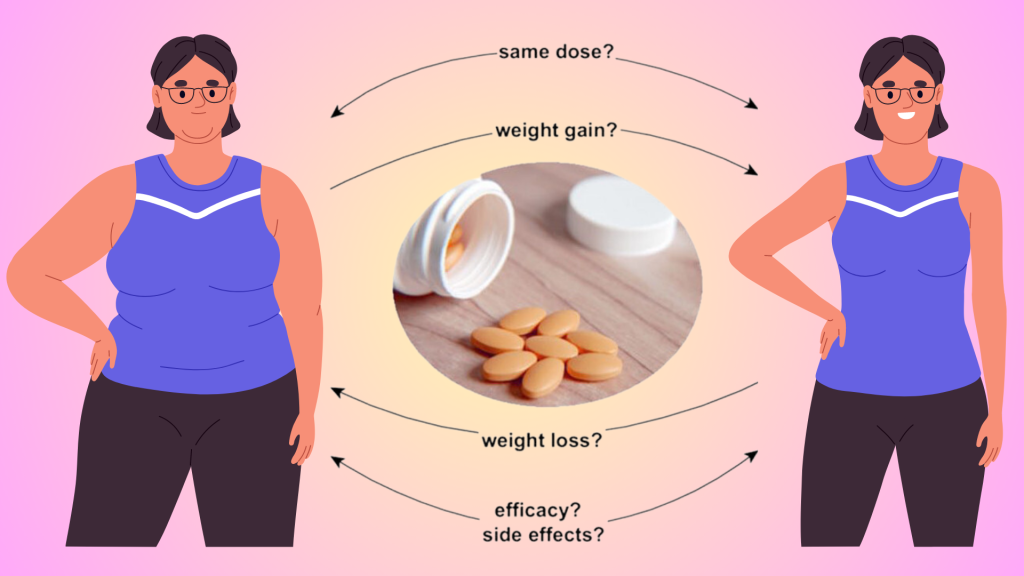
The rising tide of obesity in the United States has spurred the development of a new generation of anti-obesity drugs, offering fresh hope for weight loss but triggering a debate on how to best integrate these medications into a comprehensive approach to tackle obesity.
The Rise of GLP-1 Receptor Agonists
Enter GLP-1 receptor agonists, originally designed to manage Type 2 diabetes, which have inadvertently revealed their potential for weight loss. These drugs, acting by mimicking a hormone called glucagon-like peptide-1, not only control blood sugar but also result in significant weight reduction, presenting an intriguing avenue for obesity management.
A Game-Changer in Weight Loss
The effectiveness of these drugs in facilitating weight loss cannot be denied. Clinical trials have shown that patients can shed between 10 to 22 percent of their body weight in the first year of use. This breakthrough is particularly significant for individuals who have struggled with conventional dieting and exercise routines.
Challenges and Debates
However, the adoption of these drugs as a stand-alone solution has sparked debates. Some experts caution against sidelining lifestyle-based interventions, which encompass dietary and exercise changes, and continue to play a pivotal role in addressing the root causes of obesity.
The Spectrum of Solutions
Experts recognize that the path forward lies in a harmonious blend of strategies. For individuals with severe obesity, GLP-1 receptor agonists and bariatric surgery can provide the tools needed to tackle a complex issue. These interventions, when integrated with lifestyle-based approaches, offer a comprehensive framework for sustained weight loss and overall well-being.
Beyond Drugs: The Bigger Picture
While GLP-1 receptor agonists have shown impressive results, experts stress that a holistic approach must be pursued to truly curb the obesity epidemic. Investigating the environmental and dietary factors contributing to obesity remains crucial. Understanding the intricate relationships between dietary choices, metabolic pathways, and genetic expressions can pave the way for effective alternatives to drugs and surgery.
Balancing the Equation
Amidst the excitement surrounding new anti-obesity drugs, there’s a need to strike a balance. The drugs should complement, rather than replace, lifestyle-based interventions. Ensuring equitable access, addressing potential long-term side effects, and promoting a shift in the nation’s food environment are equally critical in the fight against obesity.
A Pivotal Moment
The emergence of GLP-1 receptor agonists marks a pivotal moment in the battle against obesity. As these drugs offer a promising tool, experts urge a multi-faceted approach that encompasses medical innovations, lifestyle changes, and a concerted effort to reshape societal norms around food and health. By harnessing the power of diverse strategies, we stand a better chance of reversing the tide of obesity and its associated health risks.