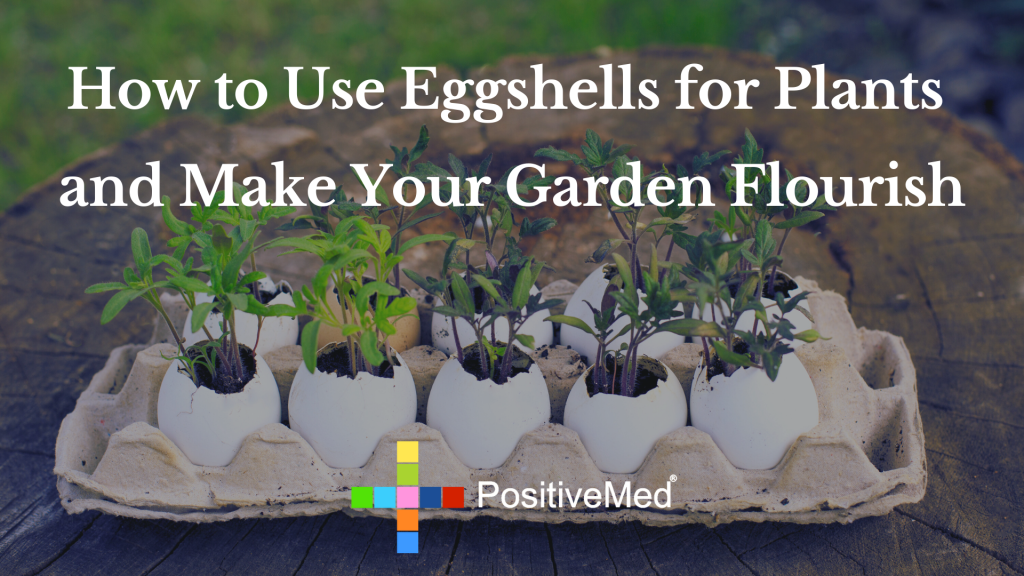
Discover the hidden potential of eggshells and how they can benefit your plants and garden. Instead of discarding these kitchen scraps, you can repurpose them to reduce food waste and contribute to a healthier, more sustainable garden. From providing essential nutrients to preventing certain plant diseases, eggshells have become a valuable resource for garden enthusiasts. In this article, we’ll explore the benefits of using eggshells for plants and provide practical tips on how to incorporate them into your gardening routine.
Eggshells as a Nutrient-Rich Addition to Soil
Eggshells contain calcium carbonate, potassium, and phosphorous, making them a valuable source of nutrients for plants. Their primary ingredient, calcium carbonate, strengthens the structure of plants and can help combat calcium deficiency-related issues like blossom end rot. By incorporating crushed eggshells into your garden or houseplant soil, you provide a natural and sustainable way to enhance plant growth and overall health.
Making DIY Eggshell Fertilizer
Creating your own eggshell fertilizer is a simple process that can yield significant benefits for your plants. Start by rinsing the eggshells to remove any residue, then dry them either by leaving them out for a day or two, freezing them, or baking them in the oven. Once dry, crush the eggshells into small pieces or powder using a rolling pin, mortar, and pestle, food processor, or coffee grinder. You can then add a tablespoon or two of the crumbled or powdered eggshells directly to the soil or compost, providing a slow-release source of calcium for your plants.
Plants that Benefit from Eggshells
While eggshells can benefit a variety of plants, they are particularly useful for tomatoes, which are prone to blossom end rot. Other plants that thrive with the addition of eggshells include eggplants, peppers, broccoli, cauliflower, and leafy greens. These plants often prefer a slightly alkaline soil environment, and eggshells can help lower the pH level and create optimal conditions for their growth. Remember to apply eggshell fertilizer to your garden or indoor plants only twice a year, in the fall and spring, to avoid overuse.
Using eggshells as a natural fertilizer for your plants is a practical and eco-friendly way to nourish your garden while reducing waste. By incorporating crushed eggshells into your soil, you provide essential nutrients to support plant growth and combat calcium deficiencies. Remember to focus on plants that benefit from slightly alkaline soil and apply the eggshell fertilizer in moderation. With this simple yet effective method, you can maximize the potential of eggshells, promote sustainable gardening practices, and watch your garden flourish with healthy, vibrant plants.