SPANISH TRANSLATION: LO QUE SUS MANOS Y PIES FRÍOS LE DICEN
It’s a traditional saying: “cold hands, warm heart.” In reality, however, nice a person you may be, cold hands and feet could be just your body’s way of adjusting to the outside temperature or a signal of a medical problem. For a variety of reasons, women are more likely to have this problem than men. Medical reasons for cold hands and feet include low thyroid (hypothyroidism), anemia, diabetes, thoracic outlet syndrome and circulatory problems such as Raynaud’s disease.
Hypothyroidism occurs when your thyroid gland doesn’t produce enough thyroid hormone. Since the thyroid affects your overall body metabolism, low thyroid means your engine ‘runs colder’ than those of people with normal thyroid levels.
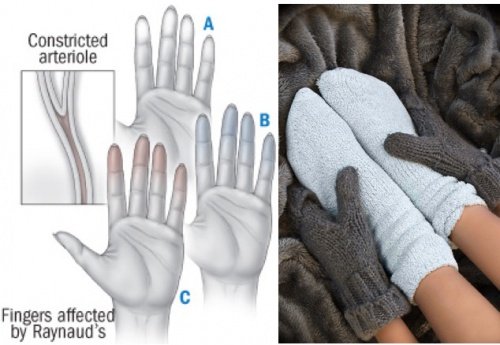
Anemia can cause cold extremities because you don’t have enough red blood cells circulating through your body, which also affects your temperature. In Raynaud’s disease, the blood vessels actually constrict, which decreases the circulation and makes your extremities colder.
If you have diabetes peripheral neuropathy – which causes damage to the nerves – may make your hands and feet feel cold even if their actual temperature is normal. Thoracic outlet syndrome occurs when the nerves leading out from the thoracic spine are compressed. This can be the result of injury, chronic poor posture or a congenital problem. The pressure on the nerves affects the circulation in the hands.
Women are more susceptible to almost all of these conditions except diabetes. It may be because women’s endocrine systems are more complicated or because they are more susceptible to anemia because of monthly periods. They may be more susceptible to thoracic outlet syndrome because of poor musculature development, poor posture, or both.
RELATED ARTICLE: Anemia Natural Treatments
What you do about your chilly fingers and toes depends on the cause. To prevent outside temperatures from making the problem worse, wear gloves and warm socks, especially in winter. Regular aerobic exercise helps improve what’s called collateral circulation – increasing the size of small blood vessels so they can carry more blood.
For anemia, improving your diet can be helpful. Eat more leafy green vegetables and organ meats, especially liver. Many vitamin supplements contain iron, and if you also cook in cast iron pans, that will give you a little extra as well. Regular exercise can help regulate your metabolism. For thoracic outlet syndrome, work on improving your posture and strengthening the muscles of the upper back and chest.
Cold hands and feet can be a nuisance. Like radar, however, they can also give you a warning of problems. Don’t just ignore the problem – take action.