Vaginal yeast infections, also known as vaginal candidiasis, affect a significant number of individuals each year. This article provides insights into the symptoms, causes, diagnosis, and treatment of these infections, empowering individuals to better understand and manage their reproductive health.
Vaginal Yeast Infection Symptoms
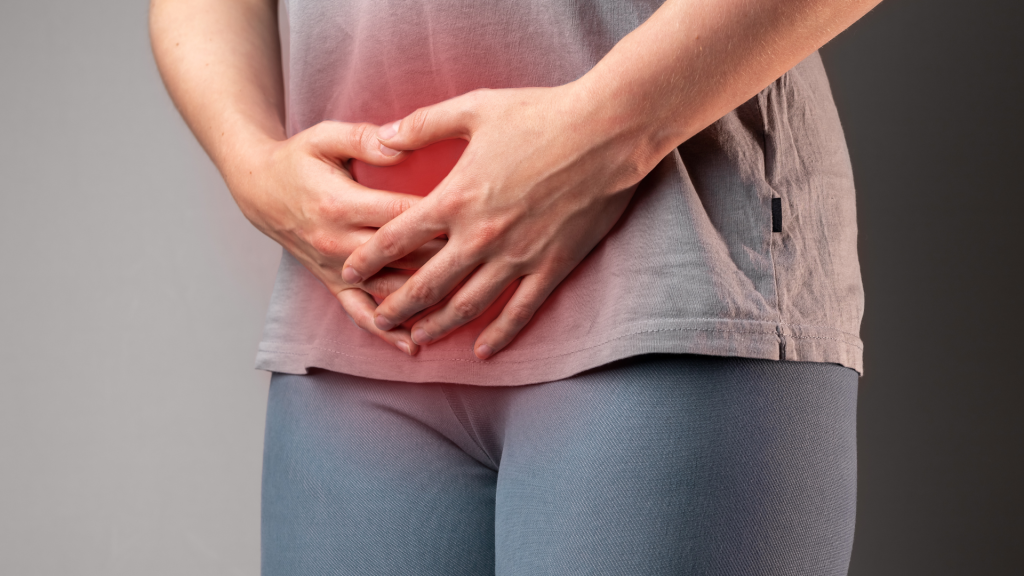
Vaginal yeast infections manifest through various symptoms, including itchiness, soreness around the vulva or vagina, and abnormal discharge. While discharge is common, it may vary in consistency. Additionally, discomfort during urination or sexual intercourse and redness in affected areas are potential signs of a yeast infection.
Causes and Risk Factors
These infections result from an overgrowth of Candida albicans, a fungus present on the skin and in the body. Various factors contribute to the risk of developing vaginal yeast infections, such as pregnancy, diabetes, certain medications, stress, and weakened immune systems. Identifying these factors can aid in prevention.
Diagnosis
Healthcare providers diagnose vaginal yeast infections by assessing symptoms, conducting examinations, and testing vaginal discharge for the presence of yeast. Accurate diagnosis ensures appropriate treatment, avoiding complications and enhancing recovery.
Treatment
Antifungal medications, available in cream, suppository, or oral form, effectively treat vaginal yeast infections. The choice of treatment depends on factors like symptom severity and recurrence. It is crucial to complete the prescribed treatment regimen for optimal results.
Prevention
Taking preventive measures is essential, especially for individuals prone to recurrent yeast infections. Strategies include avoiding unnecessary antibiotics, maintaining stable blood sugar levels, and refraining from douching or using scented products. Understanding potential triggers aids in proactive prevention.
While vaginal yeast infections can be uncomfortable, their diagnosis and treatment are relatively straightforward. Awareness of symptoms, risk factors, and preventive measures empowers individuals to actively participate in their reproductive well-being. Seeking timely medical advice ensures accurate diagnosis and effective treatment, fostering a healthier and more comfortable life.