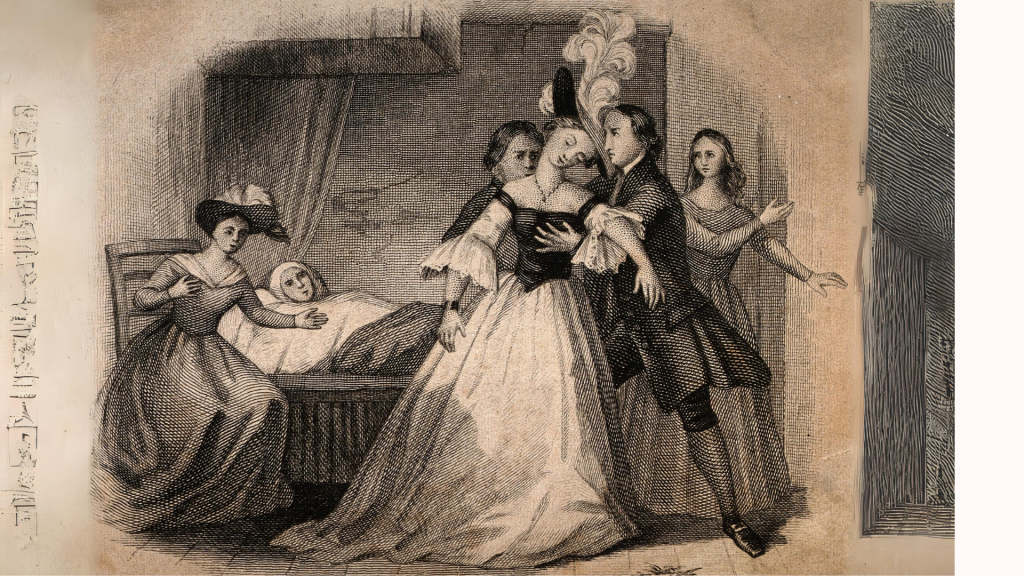
Fainting, characterized by a sudden restriction of blood flow to the brain, has long been attributed to a simple explanation. However, recent research in mice challenges this traditional understanding and unveils a more intricate network of mechanisms leading to fainting episodes. This study, published in the journal Nature, suggests that the activation of specific neurons linking the heart and brain might be a key factor in inducing fainting spells, adding a layer of complexity beyond the conventional explanation of reduced blood flow.
Key Findings:
Beyond Reduced Blood Flow:
While reduced blood flow is acknowledged as playing a role in fainting, the study proposes that other brain circuits are involved in the process.
Neurons below the skull were identified as crucial players, sending signals from the heart to the brain, triggering a simultaneous drop in heart rate, blood pressure, and breathing rate.
Reflex Syncope and Underlying Mechanisms:
The study focuses on the most common type of fainting, known as “reflex syncope.” This form of fainting can be triggered by factors such as dehydration, the sight of blood, or prolonged standing.
Activation of neurons in the vagus nerve, particularly those connecting the lower chambers of the heart to the brainstem, was found to be associated with reflex syncope.
Experimental Induction in Mice:
Mice were used to experimentally induce fainting by stimulating specific neurons in the vagus nerve. The activation of these neurons led to classic signs of fainting, including a temporary loss of consciousness, changes in blood pressure, breathing, and heart rate, as well as the iconic eye roll.
Blood Vessel Constriction and Reduced Blood Flow:
Activating the identified neurons in mice resulted in blood vessel constriction and reduced blood flow, aligning with characteristic signs of fainting.
Implications and Future Directions:
The findings challenge the simplistic notion that fainting is solely a result of reduced blood flow.
Understanding the specific neural pathways involved could pave the way for potential therapies. Targeting the identified neurons through gene therapy or nerve stimulation might be explored in
the future.
The study emphasizes the need for further research to uncover real-life triggers for the activation of the nerve pathway and to validate the findings in humans, acknowledging the potential nuances in human fainting episodes.
This research marks a significant departure from the traditional understanding of fainting, shedding light on the intricate neural connections between the heart and brain. By unraveling the complexity of fainting mechanisms in mice, this study opens avenues for future investigations into potential therapies and a more nuanced comprehension of fainting in humans.