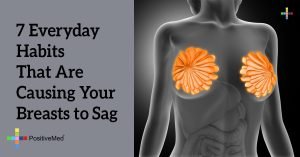
In the realm of women’s health, breast cancer stands as one of the most dreaded and prevalent forms of cancer. Startling statistics reveal that approximately 17% of all cancer cases are attributed to breast cancer. Astonishingly, in 2023 alone, an estimated 297,790 women faced the daunting diagnosis of this formidable disease. Empowering ourselves with knowledge about breast anatomy and changes can lead to early detection, potentially improving outcomes.
Breast Anatomy and Aging Changes
Our breasts consist of fatty breast tissue, nerves, veins, arteries, and connective tissue, providing essential support. With age, breast appearance and function may change, emphasizing the importance of staying vigilant about any abnormalities.
Early Detection: Spotting Common Symptoms
1. Breast Lump: The most prevalent sign is a lump. Though 99% are benign, consulting a doctor for any lump is essential.
2. Thickened Area: Regular self-examination can detect lumps or thickened areas in the breast or underarm, prompting further evaluation.
3. Change in Size or Shape: Any changes in breast size or shape should not be ignored and warrant professional assessment.
4. Unexplained Pain: Pain in the breast or armpit unrelated to the menstrual cycle should be investigated.
5. Nipple Discharge: Abnormal nipple discharges, like bloody or milky fluids when not breastfeeding, necessitate immediate medical attention.
6. Dimpling: Dimpling or sunken skin on the breasts, resembling an “orange-peel” texture, is a concerning sign.
7. Rashes and Redness: Rashes around the nipple or redness, along with an enlarged underarm lymph node, merit evaluation.
12 Signs of Breast Cancer
A: Hardening
B: Pinching
C: Erosion
D: Red & Hot
E: New fluid
F: Dimpling
G: Puckering
H: Growing vein
I: Nipple retraction
J: Asymmetry
K: Orange skin
L: Invisible lump
Emphasizing Early Detection
Timely diagnosis plays a crucial role in the outcome of breast cancer. Engaging in regular self-examination empowers women to take charge of their health and encourages support among peers.
Promoting Awareness and Well-being
By being aware of these symptoms and staying proactive with self-exams, women can embrace a proactive approach to their health, supporting early detection, and possibly enhancing treatment outcomes. Regular self-examination and open conversations can be empowering tools in the fight against breast cancer, fostering a community of women dedicated to their well-being.
This article shows how to do breast self-exam at home.