Few people want to be unhealthy. Those who are out of shape or in poor health feel the effects: less mobility, greater discomfort, and higher medical bills, to name a few. To be sure, the costs of prescription drugs and other standard treatments are soaring. The physiological benefits and financial savings of preventive care, therefore, are significant. One major area in thwarting illness is nutrition. Designing a diet that boosts physical well-being is step one. As part of such a meal plan, the reduction of low-density lipoprotein cholesterol is essential. Vegetable kingdom foods do this best.
What Is LDL and How Does It Rise?
Low-density lipoprotein (LDL) cholesterol is like an evil twin to high-density lipoprotein (HDL). The latter cholesterol keeps arteries free from plaque build-up while inhibiting cardiovascular disease. LDL, by contrast, aggregates in the walls of blood vessels and actually fosters plaque accumulation. This amassing of plaque can eventually obstruct arteries, resulting in heart attack or stroke. With this in mind, keeping LDL low is necessary for robust health and longevity.
Which brings us back to diet. What we eat plays an important role in which direction the low-density lipoprotein cholesterol goes. Of great interest is whether a plant-based or animal based product is better for cholesterol control. To answer this question, an underlying reality must be recognized: the human body–the liver, specifically–creates all the cholesterol it really needs. That which comes in through food is surplus. It is surplus LDL, remember, that creates problems.
Foods That Affect LDL
Many casual students of nutrition equate more fat with more cholesterol. It is not so simple, however. Different fats–saturated, trans and unsaturated–yield varying reactions from the body. According to the American Heart Association, those that deposit the most LDL are saturated fats and trans fats. Unsaturated fats (monounsaturated and polyunsaturated) come from fish and certain plant-based foods like avocados. Saturated fats exist in nearly every animal based product, e.g. meat and dairy. Trans fats are a synthetic addition to many highly processed foods.
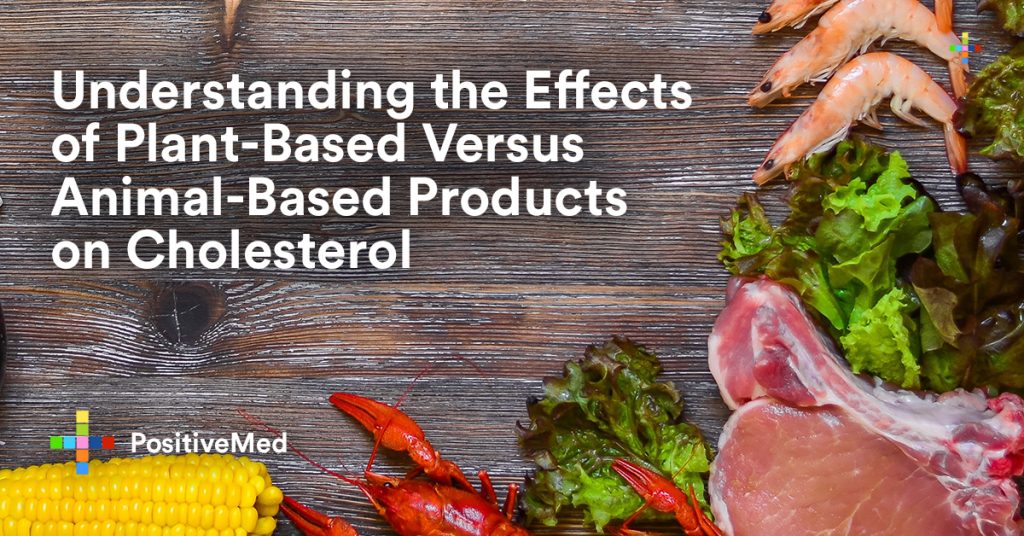
While some plant-based products contain fat, many–perhaps most–consist of neither fat nor cholesterol. It stands to reason, and much research demonstrates, that diets composed primarily of plants add only modest amounts of LDL cholesterol to the bloodstream thereby storing little in the blood vessel walls. Broccoli, for example, has zero milligrams of cholesterol per serving. Beef, on the other hand, carries 77 mg with each standardized portion. In the same vein, a sweet potato offers zero mg of cholesterol whereas a center cut pork chop carries about 70 mg. Most often, the animal-based product contributes much more to LDL levels than do plant foodstuffs.
And Now, the Happy News
Those who enjoy their food can still do so while attaining optimal health. There are numerous food plans, menus, and recipes that provide myriad tastes and textures. The taste buds need not sacrifice anything when meat is lessened and plant foods are increased. The rest of the body, meanwhile, has everything to gain.