If Science Photoshopped Your Face In Real Life, This Would Be It!
SPANISH TRANSLATION: LA CIENCIA PHOTOSHOP: SU CARA EN LA VIDA REAL
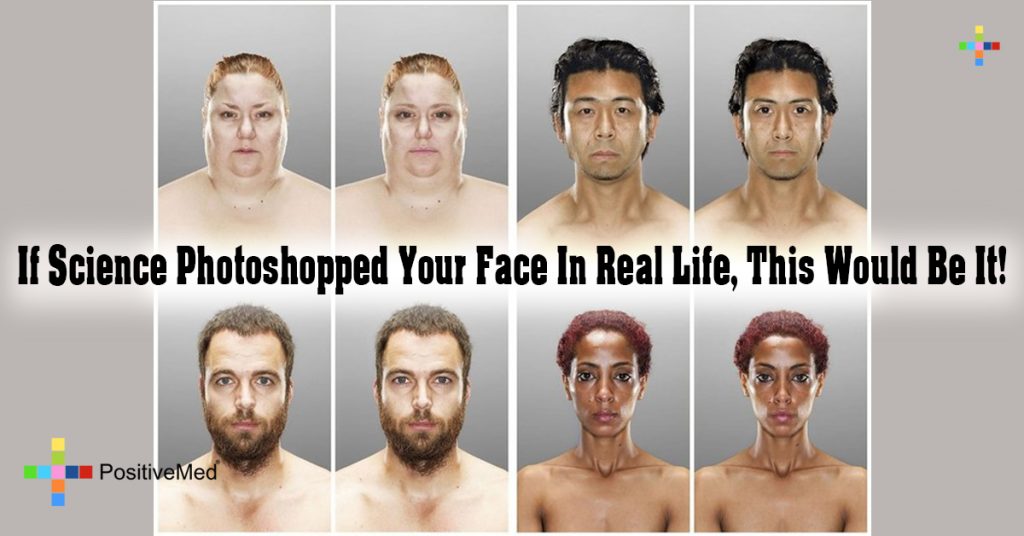
An experiment was invented by Scott Chasserot to investigate what people really wished they looked like. In the experiment, a very plain portrait was taken of each person. That picture was then photoshopped into 50 different modified versions. These modified portraits were then shown one by one to the person, and through a brain scanner they determined which idealized face caused the biggest positive reaction in their brain.

RELATED ARTICLE: 7 Weird Things Your Eyebrows Say About Your Personality
Sometimes, the face people liked the best was one that was drastically different, even looking almost like a different race. But, it turns out most people just want bigger eyes, a more youthful face, and a more elegant nose. More and more people these days choose to get plastic surgery, and science says it makes them happier. However, plastic surgery is expensive, risky, and not a good option for most people. If you could change your face without getting plastic surgery, what would you change?