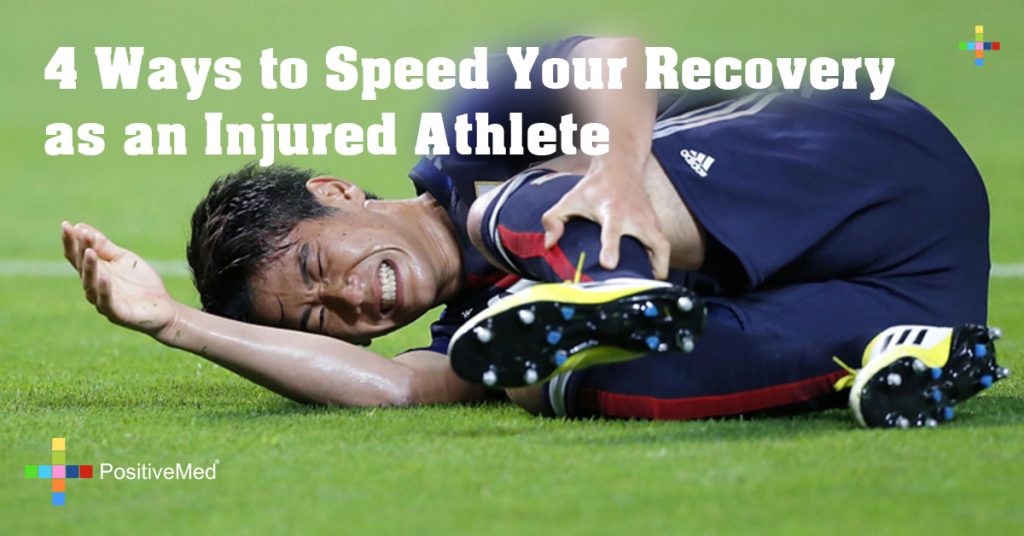
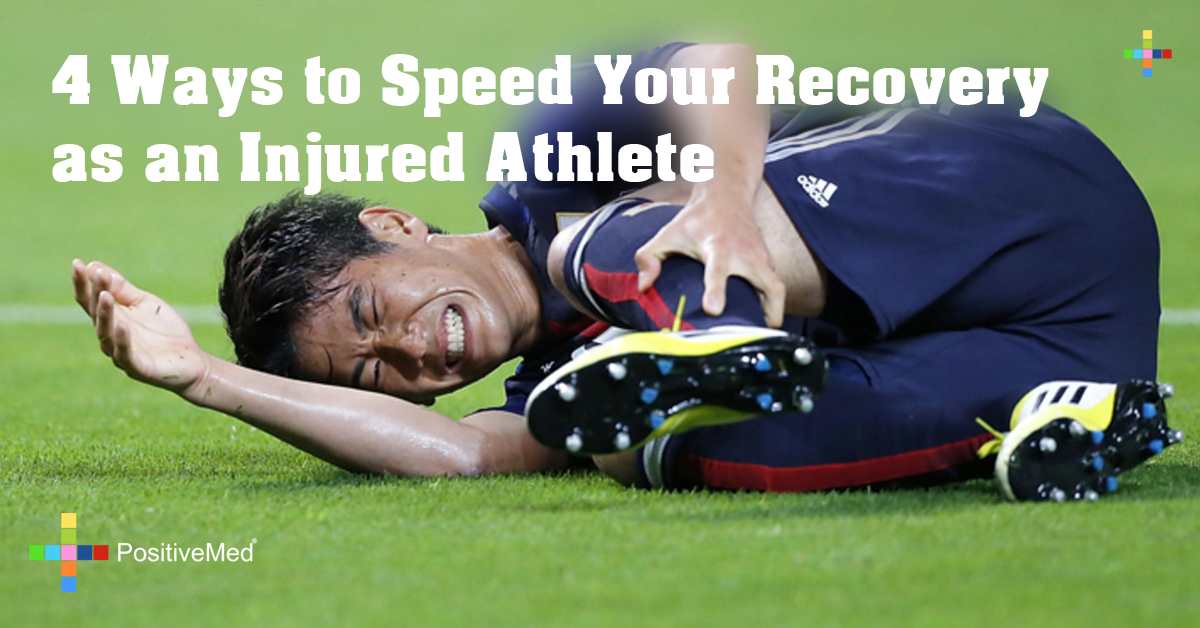
Whether you are a professional athlete training for the Olympic Games or an amateur who plays soccer with a local group of like-minded people several times a week, an injury can you to wonder if you’ll ever be back in top-performance shape again. Although steps to take to encourage healing to vary depending on the injury you suffered, there is good general advice to keep in mind.
Be Mindful of Your Mental Health
Don’t underestimate how much an injury that’s purely physical can affect your mental health. Many athletes view their chosen sports as sources of identity and they suddenly feel lost if they are unable to go through normal training routines or practice with teammates.
If you’re dealing with mental anguish as a result of your injury, allow yourself time to mourn the abilities you’ve temporarily or permanently lost due to getting hurt. Also, instead of dwelling on things that you wish would have been different and might have prevented your injury, coach yourself to handle things as they are now. Set new, realistic goals and remember that teammates can help you maintain a positive mental attitude that ultimately helps you recover more quickly.
Allow Yourself to Rest
Because you may have spent most of your life intensively training for your sport, taking time off may seem truly unthinkable. It’s often especially difficult for young athletes to get adequate rest if coaches, parents or determination dictate that taking breaks to let their bodies rest is seemingly out of the question.
You may run into this issue if you’re involved in a sport that is very hard on the body, such as gymnastics or figure skating. The common perception for those disciplines is that athletes have only a limited amount of time to stay competitive because they won’t be able to physically tolerate doing their sports at high levels after reaching certain ages.
It can also be problematic if you’re training for a major event that requires you to achieve certain scores or rankings at preliminary events leading up to it. If an injury makes you get off track, it may feel like your career is over before it has really begun.
However, despite these challenges, it’s crucial to give your body the time it needs to genuinely rest. If your medical team has said you’ll likely to be able to return to your spot in the same capacity as before once you’ve recovered, you might find the rest period less frustrating if it’s used to research new training techniques, dietary regimens, or other things that could help you get back into peak condition faster once you’re permitted to resume normal workouts again.
Seek Out Various, High-Quality Treatments and Products
Lying in bed all day when you’re used to heavy-duty training can be a very hard adjustment. However, keep in mind that recovery doesn’t always mean being completely sedentary. Hydrotherapy, massage, and acupuncture are a few examples of treatments that might allow you to get out of the house and could help you recover faster than you would without those interventions.
Also, there are several kinds of high-quality products that could give necessary support and promote blood flow as your body recovers. Kinesiology tape does of those things and there are even brands you can wear while swimming or if you have sensitive skin. Braces, ice packs, and wraps are other things that might help your body stay on the mend throughout the recovery process, especially when you gradually start increasing your activity levels.
Be Adaptable and Patient
As your recovery progresses, it may become clear that you won’t be able to do certain things the same ways you did before getting hurt right away and they might be impossible from now on depending on the extent of your injuries. Discovering that you lack the functionality you once had is certainly scary but it doesn’t mean you should give up.
The human body is immensely adaptable. Consider working with a sports medicine specialist and learning how to compensate for your injuries without compromising your ongoing recovery. Also, if your efforts are painful or seem fruitless at first, try not to get too discouraged or impatient.
Although an injury certainly complicates things as an athlete, it doesn’t have to ruin your life. Use the tips above to keep a realistic perspective.