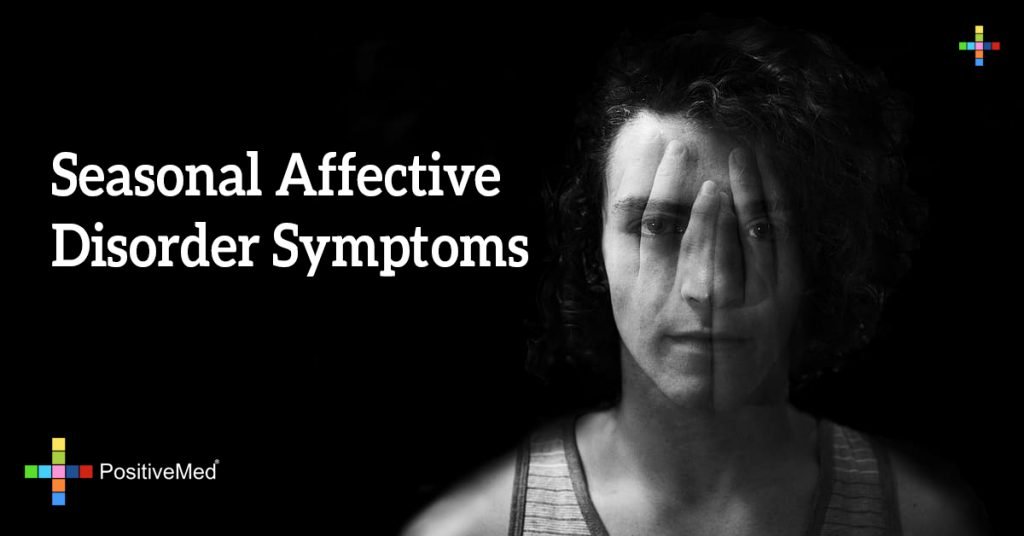
Seasonal Affective Disorder (SAD)
SAD is a type of depression linked with the changing seasons. Most people who have symptoms will display them only during autumn and winter, and an even shorter population will display these symptoms through spring or summer. Statistically, it is far more common in young adult women, however it affects women and men of all ages. In North America SAD will affect around 6 of 100 people, being more common in the north than in southern regions. Around 10-20% exhibit mild symptoms. SAD can have a devastating effect on someone’s life, fortunately they can be helped with available treatments.
Causes of SAD
Related to chemicals in the brain linked with the quantity of light. There are sensors in our skin and brain that lead to the production of substances like melatonin that act as a protein and neurotransmitter. This neurotransmitter is involved in sleep cycle, neurotransmitter production (serotonin, dopamine, norepinephrine). Geographically the regions closest to the north and south pole are most affected

There is a tendency in some families to depression
Most people will have some of the following symptoms, not all: Depressed mood, loss of interest in daily activities, chronic fatigue, hopelessness, poor concentration, memory impairment, suicidal ideations or thoughts
Symptoms can come and go depending on the season
Sleeping more than usual
Craving for sweets, carbohydrates, or alcohol
Weight gain
You should see your doctor if you think you are experiencing some of the symptoms of SAD.
Treatment and prevention
The following activities and life-style changes can help prevent or alleviate symptoms
Try to get natural sunlight, or try light therapy, using a bright light indoors to recreate the effect of natural light. This therapy has shown improvements in general symptoms. Green or blue lights are recommended as well, to stimulate melatonin production in the brain.
Try to exercise at least 1/2 hour per day, if possible outdoors.
Dawn simulation is a commonly used treatment for SAD which consists of an alarm, a clock. and lamps that will simulate the experience of dawn with light exposure.
Keep positive attitude, try to be optimistic and enjoy activities with others
Control stress and activity levels in order to improve endorphin production
Your doctor might prescribe antidepressants that will increase the amount of serotonin in the brain, that helps alleviate symptoms in most people