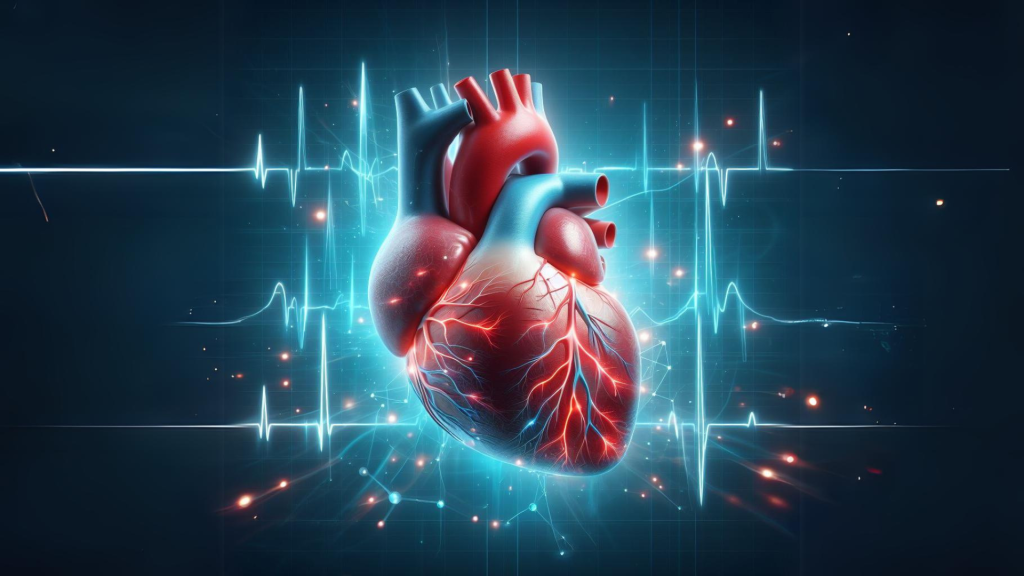
In a world where cardiovascular disease reigns as a leading cause of mortality, understanding heart health becomes paramount. With heart-related queries flooding search engines, experts aim to bridge the knowledge gap. This article delves into a cardiologist’s responses to the most Googled questions, shedding light on heart arrhythmias and offering insights into symptoms, causes, and treatments.
1. The Ubiquitous Threat of Heart Disease
1.1 Alarming Statistics:
Cardiovascular disease claims over 900,000 lives annually in the U.S.
Irregular heart rhythms, on the rise, pose a particular concern, especially among younger demographics.
2. Heart Arrhythmias Unveiled
2.1 Defining Heart Arrhythmia:
Anomalies in heartbeat rhythm characterize heart arrhythmias.
Dr. Martha Gulati emphasizes the heart’s electrical system as the orchestrator of timing mechanisms.
2.2 Electrical Irregularities:
Dr. Kevin Thomas elucidates the role of irregular electrical impulses in arrhythmias.
Factors like genetics, lifestyle habits, and pre-existing conditions contribute to their onset.
2.3 Atrial Fibrillation (AFib):
AFib, the most prevalent arrhythmia, poses risks of stroke and heart-related complications.
A lifetime risk study underscores the prevalence, urging awareness.
3. Decoding Symptoms of Heart Arrhythmias
3.1 Common Indicators:
Palpitations, racing heartbeats, and fluttering signal potential arrhythmias.
“Silent” arrhythmias, devoid of symptoms, pose diagnostic challenges.
3.2 Serious Implications:
Prolonged arrhythmias manifest serious symptoms affecting heart function.
Dr. Gulati advocates digital health tools for real-time data, aiding diagnosis.
4. Heart Palpitations: A Symptom Unveiled
4.1 Perceived Abnormalities:
Heart palpitations entail irregular heartbeat sensations.
Transient or sustained, stress, hormonal changes, and stimulants can trigger palpitations.
4.2 Alarm Bells:
Isolated palpitations may not be alarming, but coupled with chest pain, seek immediate medical attention.
Dr. Gulati emphasizes the significance of recognizing alarming symptoms.
5. Diverse Causes of Heart Arrhythmias
5.1 Varied Origins:
Genetics, abnormal pathways, heart damage, and adrenaline spikes contribute to arrhythmias.
Aging and age-related changes impact heart operation and electrical impulses.
5.2 Lifestyle Influence:
Lifestyle choices influence overall health but may not singularly determine arrhythmias.
Proactive heart health management through check-ups and monitoring is crucial.
6. Navigating Arrhythmia Treatments
6.1 Individualized Approach:
Treatment necessity depends on the type and severity of arrhythmia.
Early detection and intervention mitigate long-term risks, emphasizing the importance of personalized care.
6.2 Treatment Goals:
Preventing blood clots, maintaining heart rate, restoring normal rhythm, and addressing underlying heart conditions are treatment objectives.
Dr. Thomas outlines specific treatments for distinct arrhythmia types.
In demystifying heart health complexities, this exploration equips individuals with valuable insights. As experts unravel the intricacies of arrhythmias, from symptoms to treatments, a call to proactive heart health echoes. By embracing knowledge, fostering awareness, and prioritizing personalized care, the journey toward a heart-healthy life takes a significant stride.