The family of vitamin K can be categorized into two groups of vitamin K1 (Phylloquinone) and vitamin K2 (Menaquinones) molecules which comprise of MK-4 and MK-7 respectively. Vitamin K can help you with many significant functions in your body. For instance, it can help you to maintain your blood vessels, keep your bones healthy, and also helps your body to heal wounds. Vitamin K also assists in preventing fractures, especially in women after menopause. Vitamin K is a fat-soluble vitamin that is stored in your liver and fat tissues.
How Much Vitamin K Do I Need?
The amount of vitamin K you may require depends on your sex, life stage, and age. For examples men 19 years and above will need 120 mcg (micrograms), women 19 and above will requires 90 mcg, and breastfeeding women 19 years and above will require 90 mcg. Before you take these supplements of vitamin k, always consult your doctor to prevent misuse which can be harmful to your body.
Signs of Vitamin K Deficiency
Lack of vitamin K in your body can lead to increased bleeding, osteoporosis, and defection in blood clotting. Some of the signs and symptoms of deficiency of vitamin K include the following:
• Oozing from the gums and nose.
• Easy bruising and punctures.
• Heavy menstrual periods.
• Gastrointestinal bleeding.
• Excessive bleeding from wounds and blood in the urine.
• Injections or surgical incisions.
If you depend on alcohol, or you have chronic malnutrition or other health conditions that deter from absorption of dietary vitamins, you are likely to suffer from vitamin K deficiency.
Best Sources Of Vitamin K Brussels Sprouts
You can consult your doctor to give out supplements that are rich in vitamin K. However, there are other natural sources you can get vitamin K. They include the following:
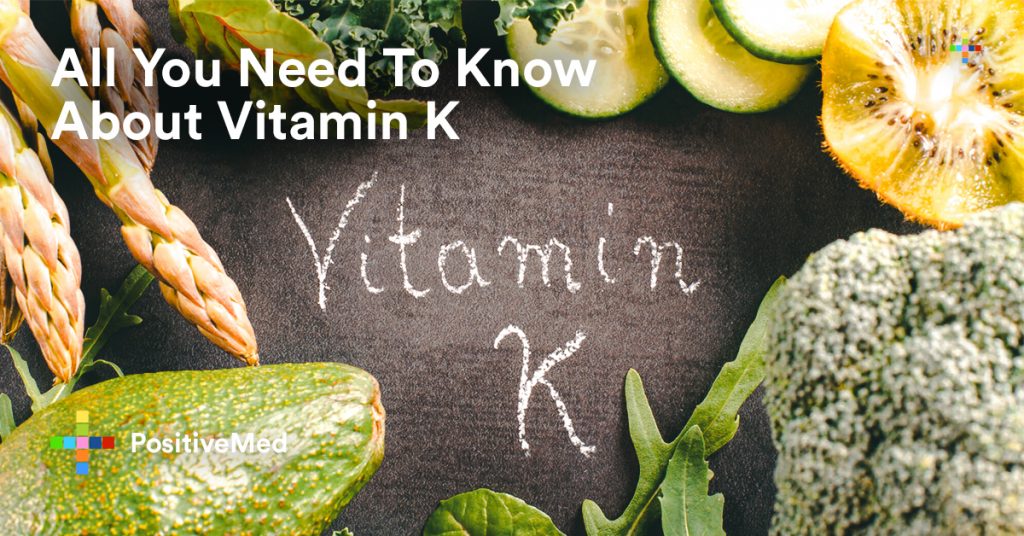
• Cruciferous and leafy green vegetables. They are the best known sources of vitamin K Examples include spinach, kales, collard greens, Brussels sprouts broccoli, and many others.
• Other natural sources include spring onions, cucumbers, beef liver fish, eggs and many other foods that are rich in vitamin k.
Here are the health benefits of vitamin K you need to know
1. Regulates blood clotting
The primary role of vitamin k is to control your blood clotting, which requires a set of molecules that constantly circulate throughout the bloodstream. It also transports calcium throughout your body which is needed for blood clotting.
It also improves myelodysplastic syndrome which is blood disorders. In addition, it prevents the babies from clotting problems for they have low contents of vitamin K. It can be used to reverse the effects of blood thinning medications when you consume too much of them.
2. Improves your bones
Vitamin K plays a significant role in reducing the risk of bone fractures and improving your bone. It is also important for postmenopausal women who can be in danger of osteoporosis.
You need an adequate amount of vitamin K to activate osteocalcin. This is a protein that circulates in your blood that restrains calcium ions to bones from making them stronger. Thus, you need calcium in your body to develop strong bones. However, if you have adequate amounts of vitamin K it leads to a greater bone density. While those with low levels of vitamin K, result to osteoporosis.
3. Fights cancer
Vitamin K helps in fighting against colon, oral, liver, stomach, and prostate cancer due to its anti-cancerous effects. Various studies suggested that those patients who take vitamin K2 were found developing therapeutic effects on both hormone-independent and dependent hormone in prostate cancer cells.
If your family history has been affected by cancer, you must ensure to maintain adequate vitamin K as well as adding a supplement of vitamin K in your diet.
4. Reduces menstrual pain and heavy bleeding
If you are suffering from menstrual pain, it is important to know your coagulation of blood that will help your blood clot quickly. Without this factor, it can lead to heavy bleeding during menstruation period which might cause more cramping and pain.
It also reduces your premenstrual syndrome (PMS) pains and cramps by controlling your hormones function. You should also note that intake of food rich in vitamin K by mothers who are breastfeeding is also safe. If you are taking a high dose of quinine and aspirin, you also need to increase your level of vitamin K.
5. Supports the health of the heart
Vitamin K lowers your blood pressure by preventing building up of minerals in your arteries. This will allow the heart to pump blood throughout your body freely. It also reduces inflammation and protecting cells that line the blood vessels. This decreases the risk of you being affected by cardiac arrest.
6. It enhances sensitivity of insulin
It reduces the risk of diabetes and improves your insulin resistance.