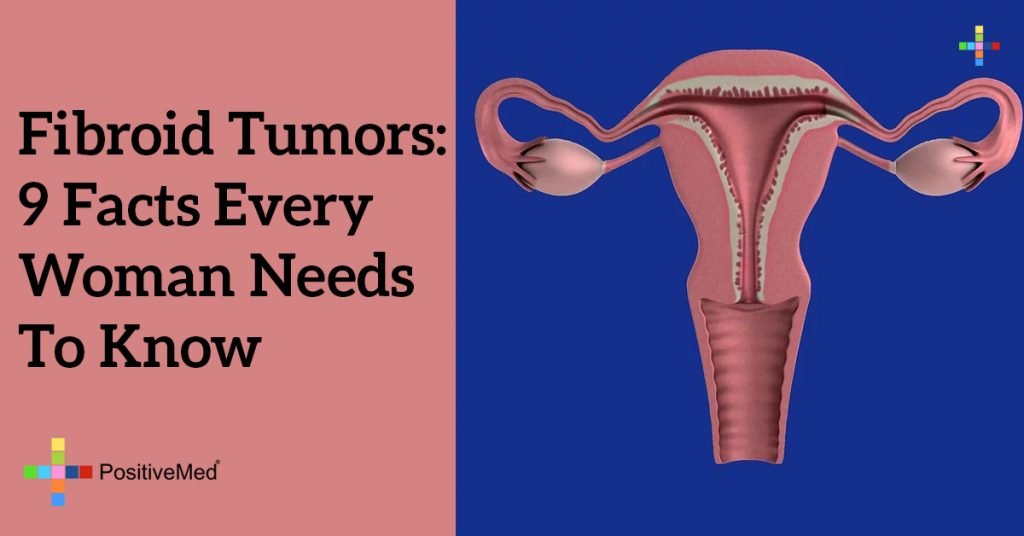
Fibroid Tumors: 9 Facts Every Woman Needs To Know
[nextpage title=”…”]
Before you get too upset and start calling the doctor, let’s get a few things clear. Fibroid tumors are the most common type of tumor in women and they are rarely malignant. This means that, while they may cause some discomfort, it’s highly unlikely you will die from it. Malignancy aside, there are still things you need to know about these tumors and what to do if you have one.

1. What is a Fibroid Tumor
Fibroids are growths, typically benign, that appear in or on the uterus. In many cases, these tumors come with no symptoms. In some cases, they can grow very large causing pain and heavy periods.
RELATED ARTICLE: 10 Cautionary Signs You May have Uterine Fibroids
2. Who Can Develop a Fibroid Tumor
Any woman can develop a fibroid tumor at any age, however, these tumors are most commonly found in women between the ages of 40 and 50. Over 70% of us will have a fibroid tumor by the age of 50. African-American women are up to three times more likely to develop the tumors and at a younger age. Their tumors can grow more quickly and be associated with symptoms of greater severity.
3. Common Symptoms
The most common symptoms are extremely heavy menstrual flows, bleeding in between periods and cramps. Some women also report experiencing pain during l.ovemaking.
4. Tumor? Yes. Cancer? No.
The tumors themselves can be a real pain, but they are not cancerous. There is a risk of uterine sarcoma developing along with the fibroids. The only way for doctors to know if you have uterine sarcoma is for them to surgically remove the fibroid tumor and check. This is very rare.
RELATED ARTICLE: THIS MAN HEALED 5.000 PEOPLE FROM CANCER: RECIPE THAT KILLS ALL TYPES OF TUMOR IN 90 DAYS
[/nextpage] [nextpage title=”…”]
5. Diagnosis
Fibroids are typically diagnosed by a gynecologist using an ultrasound. Given their commonality, it’s important to have regular OB/GYN checkups and call your doctor if you experience any symptoms.
6. How to Treat Them
If you have fibroids with no symptoms, there is no need for treatment. Just consider them little friends along for the ride. On the other hand, if you experience symptoms, there are options. Some women opt for a hysterectomy. In fact, fibroid tumors are the leading cause of hysterectomies in the U.S. If you don’t want to take that drastic of an approach, there are less invasive options such as hormone therapy to reduce the size of the tumors. You can also try a myomectomy, which will remove the tumor but leave the uterus or ablation which uses radio frequencies to kill the tissue of the tumor.
7. Life After Fibroids
Life as you know it will not change after removing a fibroid tumor. You will need to have regular checkups to ensure they don’t return and to minimize your risk of uterine sarcoma, but again, that is rare. Many women go on to have issue free pregnancies, however, depending on the size and location of the tumor on the uterus, a small percentage of women experience some difficulty getting pregnant. The rate of fertility issues related to fibroids is less than 2%, so for many women, there is nothing to worry about.
8. Prevention
• Exercise Regularly
Studies show that regular exercise can decrease your risk of developing fibroids. Researchers have found that vigorous exercise for 3 or more hours per week can decrease your risk even further.
• Drink Green Tea
In animal studies, research shows a decrease in the development of fibroids when green tea was consumed. If you already have fibroids, green tea can reduce your symptom severity.
• Eat Fruits and Vegetables
Fruits and vegetables are not only essential to helping you manage your weight, which decreases your fibroid risk, but they also help remove excess fibrin from your system.
9. How Much Does Science Know About Fibroids
The straight answer is, not much. There is not a lot of consensus about what causes the tumors, nor is there a direct answer as to how to prevent them. We know that there are external factors that can help reduce the risk of fibroids developing, but there is no definite research that can claim a specific cause or prevention treatment.
Fibroid tumors, while benign, are still something that every woman should be on the lookout for. The more you know the more you can do seek appropriate treatment. With the right knowledge, you may be able to prevent them in the first place.
[/nextpage]