8 Truths About Anxiety And Stress In The Workplace
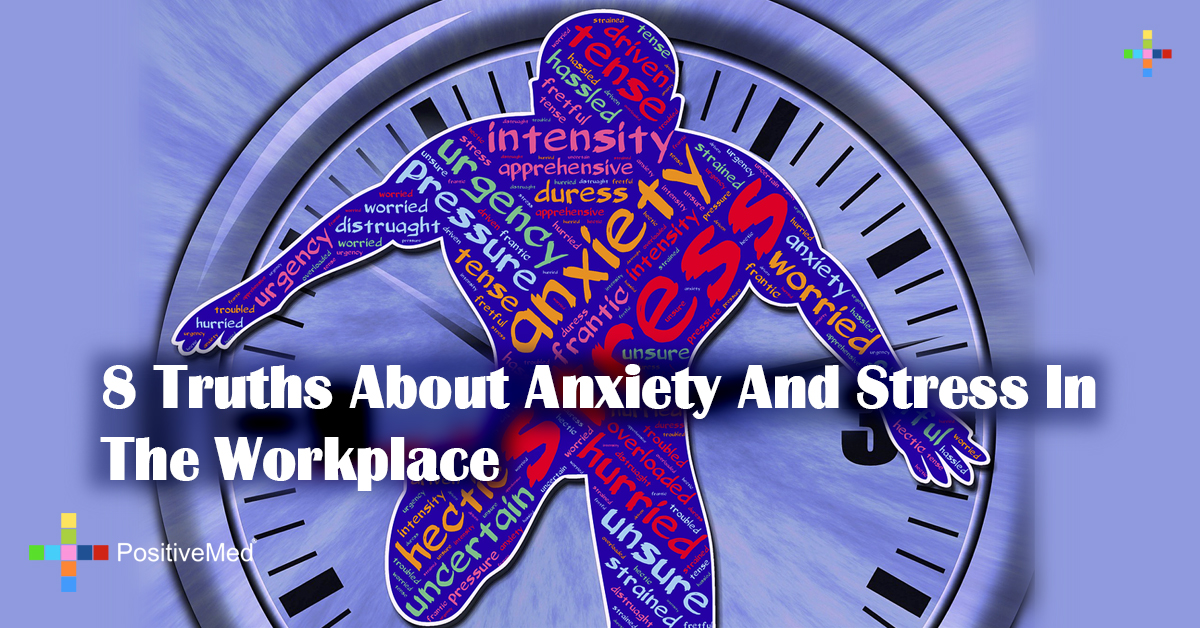
Anxiety is a feeling that everyone experiences at one time or another. It is the body’s natural, automatic response to danger. This may occur when someone feels threatened, stressed, or under pressure. Anxiety is a pretty common feeling in moderation, however, for some people it can be overwhelming and constant. This then interferes with work, relationships, and life. The Department of Psychiatry at the University of Michigan states that 5% of people experience generalized anxiety at some extended point in their lives. Here are eight things that explain what it really means to work with anxiety.
Avoiding People
People who suffer from anxiety tend to avoid social situations or communicating with others. This can easily affect a productive work environment if there is a break in communication. This can also keep an anxious person from bonding with co-workers, which can lessen a chance of teamwork or joint success.
Self-Doubt
When people doubt themselves, they oftentimes do not put themselves and their ideas out for judging. If an employee suffers from anxiety and, therefore, self-doubt, it is probable that they keep their ideas to themselves because they are not sure if their ideas are good.
Exhaustion
Living with anxiety is exhausting. The sufferer is constantly thinking of something or worrying about something and it can often tire the person out. The can affect work because the sufferer is no longer alert or paying full attention to the job they are doing.
RELATED ARTICLE: 5 Things to Do to Help Your Partner with Social Anxiety!
Difficulty Concentrating
People who suffer from anxiety often have difficulty concentrating on the task at hand, because they are spending time worrying about something else. If someone is in a constant fear of danger, they do not leave themselves time to relax and focus on something else.
Irritability
Irritability and anxiety often go hand in hand. If someone is constantly on edge, it is likely that they are quick to get irritated or aggravated when their peace is disturbed. Two types of irritability can occur with people who suffer from anxiety, physically close irritability, and mentally close irritability. Physically close irritability happens when someone becomes more irritable when a co-worker is nearby. It is a claustrophobic feeling that is the reaction to the pressure felt when there is someone close. Emotionally close irritability occurs when you are irritable around important people, such as a boss or supervisor. This type of irritability causes added stress, due to the over analyzing of conversations and interactions.
Restlessness
Anxiety comes with jitters, as people often have anxious tendencies that come out in a physical form. This can affect work because it may be hard for someone to sit in one place all day. Anxiety is the body’s natural fight or flight system, which triggers constant restlessness. This constant surge of adrenaline that is experienced is detrimental to attention span and the ability to remain calm.
Anticipating the Worst
When an employee is constantly anticipating the worst, they are not likely to be outgoing or creative with their work, for fear of being shut down. They also spend time worrying about the future of their job or their fate with their employer.
Headaches
Because of all of the stress and tension that go into having anxiety, headaches are common. This may cause an employee to call in sick often or need to leave work early. According to The Calm Clinic, many people who suffer from anxiety are constantly “in their own head” attempting to feel happy.
Helpguide.org notes that anxiety attacks typically peak within ten minutes and subside after thirty minutes. It is important to know this when working with someone who has the anxiety to know that each attack is temporary that it just needs to be worked through. It is important to challenge negative thoughts, accept uncertainty, and practice relaxation. Sleep and exercise are really important for people who suffer from anxiety and will improve one’s ability to excel at their place of a profession.