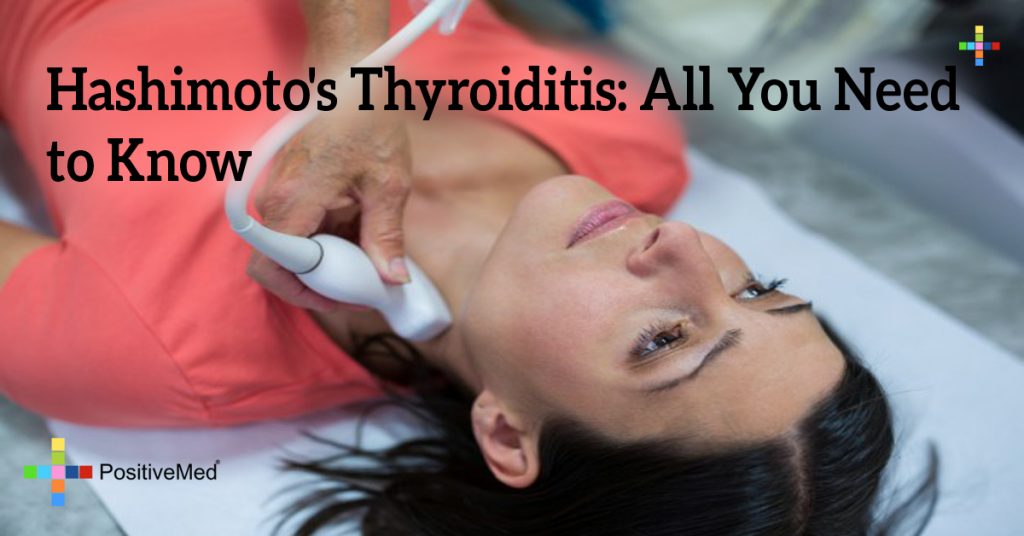
Hashimoto’s Thyroiditis: All You Need to Know
Hashimoto’s Thyroiditis, also known as Hashimoto’s Disease, is an autoimmune disorder in which our immune system attacks our body tissues and damages our thyroid. The thyroid is a small gland in our neck, it produces hormones that control metabolism, including heart rate and our body’s capability of to use calories from food. In the United States it’s the most common cause of hypothyroidism, or low levels of thyroid hormones. Hashimoto’s disease was named for Dr. Hakaru Hashimoto who explained it 1912.
Hashimoto’s Thyroiditis Causes:
The exact causes of Hashimoto’s thyroiditis are unknown, but there are some factors known to contribute to the disease:
• Excess iodine
Excess iodine and certain drugs may lead to thyroid disease in susceptible people. Iodine is necessary to produce thyroid hormones.
• Hormones
This disorder affects 7 seven times more women than men, so $e* hormones may trigger Hashimoto’s. Some women suffer from thyroid problems within one year of pregnancy, it usually goes away but 20% of these women develop Hashimoto’s years later.
• Genes
Those who suffer from Hashimoto’s often have a family member with thyroid disorder or autoimmune disease, suggesting that genetics play an important role.
• Exposure to radiation
Hashimoto’s is observed more often in people exposed to radiation.
Hashimoto’s Thyroiditis Symptoms:
Symptoms of Hashimoto’s thyroiditis often go unnoticed initially. Swelling in the front of your throat called a goiter may appear. The symptoms usually occur gradually as the disease gets more intense over the years and causes more damage to your thyroid. The signs are often the same as those of underactive thyroid or hypothyroidism and are:
• Fatigue
• Depression
• Intolerance to cold
• Dry skin and hair or hair loss
• Constipation
• Increased cholesterol
• Muscle cramps
• Vague aches and pains
• Swelling in legs and knees, stiffness and pain in joints
• Lack of concentration
• Modest weight gain
• Hoarse voice
• Weakness in muscles
• Excess menstrual bleeding

Hashimoto’s Thyroiditis Treatment:
Unfortunately there is currently no cure for Hashimoto’s. You can replace hormones with medication which can reset your normal metabolism.
• Diet Changes
The first step to treating Hashimoto’s is changing your eating habits, eliminate caffeine, sugar, and white-flour carbohydrates. Eat products with starch. Here is a complete guide to the Thyroid Diet.
• Healthy Fats
Lack of sufficient fats and cholesterol may lead to hormonal imbalances in your thyroid. Eat healthy fats found in olive oil, ghee, avocados, nuts, nut butter, flax seeds, yogurt, and cheese.
• Avoid gluten
The molecular composition of gluten is similar to that of thyroid tissue so a troubled thyroid does not know how to handle it. A gluten-free diet can eliminate many of your symptoms and is worth a try.
• Reduce stress
Practice meditation and/or deep breathing, use a stress ball, whatever you need to stay relaxed. The thyroid gland is sensitive and can react adversely to stress.
• Thyroid collar
Overexposure to radiation may trigger thyroid disease, so next time you need an X-ray from your dentist ask for a thyroid collar to protect the sensitive gland, you can do this even if you have a healthy thyroid as a precautionary measure.

Sources:
thyroid-problems-symptoms.com