Post-Partum Depression
By: Andres Carvajal
Edited By: Stephanie Dawson
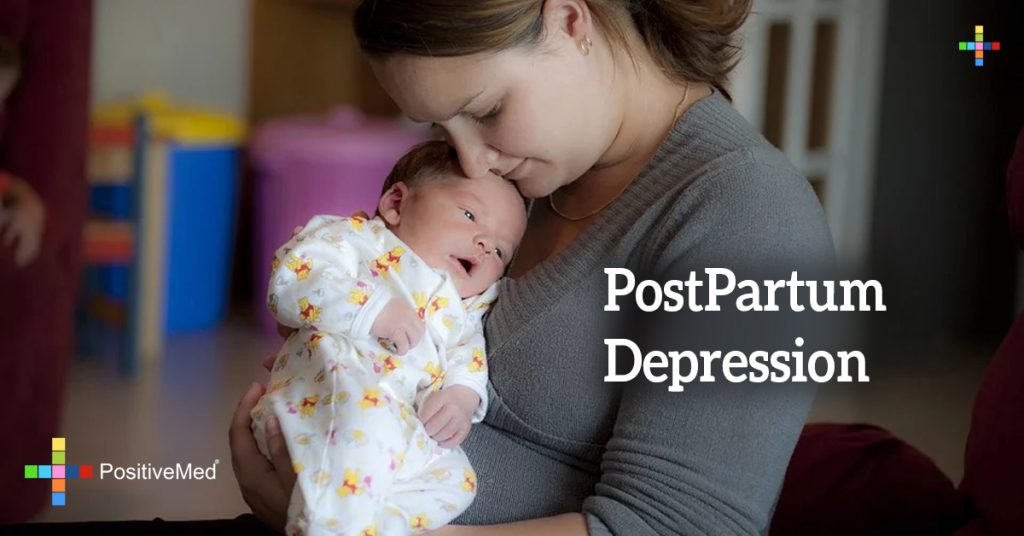
Imagine you recently gave birth to a beautiful baby, everyone is pleased, everyone except the mother. Its supposed to be one of the most wonderful stages of life, so why is mom not happy?
This is a common situation that happens to many women. Its perfectly normal to feel emotionally vulnerable after having a baby, 80% of new mothers suffer from post-partum depression, commonly known as baby blues. This is an emotional reaction that begins between sometime after delivery and can last for months.
The new mom may feel nervousness, anxiety, mood changes, or have difficulty sleeping. Generally women feel exhausted after giving birth, rest will replenish some of the low energy. If it doesn’t resolve, please get help.
If you are concerned about symptoms of depression speak immediately with your doctor, counselor or therapist. They can diagnose the symptoms and make you a referral to a specialist. Around 10 to 15% of women suffer from clinical depression, obsessive compulsive disorder, or anxiety. If you think that you can harm yourself or your baby, or feel you cannot deal with this situation look for professional help immediately.

What is postpartum depression?
Postpartum depression has the same symptoms of major and mild depression but is related to the experience following childbirth.
Symptoms include:
• Sleep disorders, difficulty sleeping
• Sadness, episodes of intense crying
• Anger or irritability
• Loss of interest, even related to children’s needs
• Concentration and memory difficulties
• Loss of appetite or overeating
• Anxiety and rumination (dwelling on one thought)
• Fatigue, lack of energy
• Negative thoughts and pessimistic perspectives about life after pregnancy, unrealistic views about fatherhood or father involvement
• Pessimistic views about child’s health
Some believe the root of their depression is an inability to take care of the baby or accept the role of motherhood. Your doctor is the best person to give you a diagnosis, although others often notice the sadness and lethargy. Many women feel the emotional changes due to pregnancy. Its common due to hormonal changes for new moms to feel like an emotional roller-coaster. Its not normal to cry all day or have intense symptoms.
Depression can affect any woman anytime, there is a long history of improper diagnosis and lack of comprehension about this disease. Some doctors assume hormonal changes are the cause and underrate psychological causation.
Society can make it difficult for a mother to admit negative feelings toward maternity. When mothers unconsciously or consciously express ambivalence, anger, or fear it can be scary, often there is guilt and feeling like a bad mother. Some might think mood is a manner of attitude, this is not true, depression is a disease and it takes control of feelings.
As in any depression there is no single cause but a combination of bio-chemicals, environmental, psychological, and genetic factors.
Sources:
Apter A, King RA.Management of the depressed, suicidal child or adolescent. Child Adolesc Psychiatr Clin N Am. 2006;15(4):999-1004
Diagnosis and treatment of depression in late-life : January 1980 through September 1991 : 886 citations / prepared by Martha H. Glock, Lon S. Schneider.