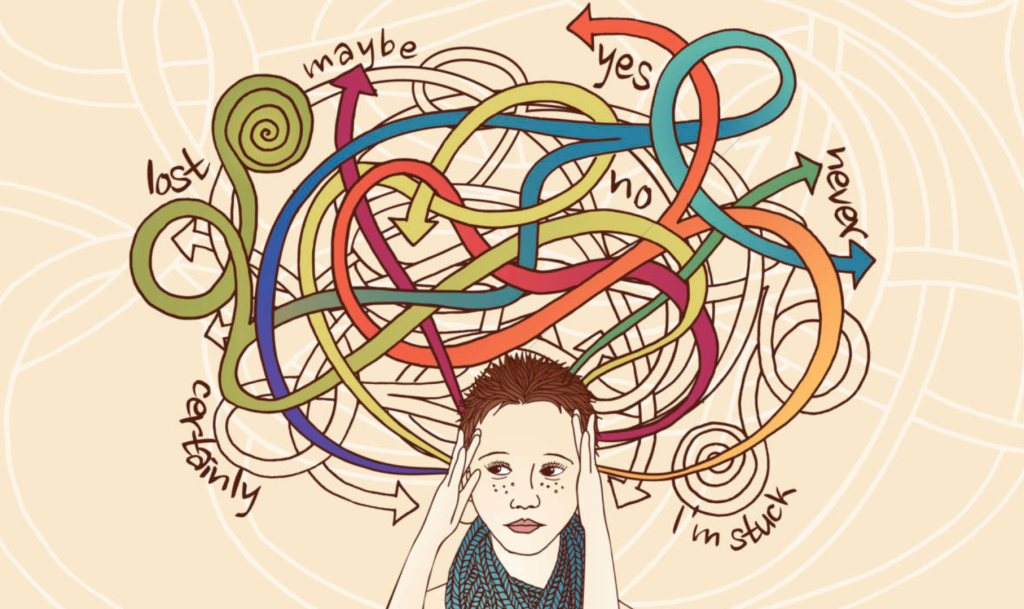
Childhood experiences, particularly the relationship with parents, significantly shape adult behavior. Growing up with highly critical parents can leave profound emotional imprints, affecting various aspects of an individual’s life. This article delves into twenty behavioral indicators that often characterize adults who were raised by highly critical parents. Understanding these behaviors is crucial for self-awareness, personal growth, improved relationships, mental health, empathy, effective parenting, and professional development.
1. Constant Self-Doubt:
– Individuals doubt their worth, abilities, and feelings due to continuous criticism.
– Pervasive self-doubt can hinder personal growth and limit opportunities.
2. Perfectionism:
– Fear of making mistakes due to past criticism leads to perfectionism.
– Relentless pursuit of perfection can lead to burnout and avoidance behavior.
3. Difficulty Accepting Compliments:
– Compliments are downplayed due to the belief that they don’t deserve praise.
– Eroded self-esteem results from focusing on perceived flaws.
4. Over-sensitivity to Criticism:
– Constructive feedback is perceived as harsh criticism, leading to defensiveness.
– Heightened sensitivity affects personal and professional relationships.
5. High Levels of Anxiety:
– Chronic anxiety stems from the anticipation of criticism and fear of making mistakes.
– Living in constant fear of disappointing others leads to chronic stress.
6. Fear of Failure:
– Fear of mistakes and subsequent criticism leads to risk-averse behavior.
– Avoidance of challenges and new experiences to prevent failure.
7. Difficulty Expressing Emotions:
– Emotions are suppressed due to past negative reactions.
– Struggles in communicating needs and desires effectively.
8. Overcompensating in Relationships:
– Overcompensating for perceived shortcomings in relationships leads to burnout.
– Constant efforts to please others often neglect one’s needs.
9. Low Self-esteem:
– Internalization of criticism results in low self-worth and constant validation-seeking.
– Belief in not being good enough affects personal and professional life.
10. Avoidance Behavior:
– Tasks and social situations are avoided to shield from potential criticism.
– Avoidance leads to missed opportunities and isolation.
11. Over-apologizing:
– Reflexive apologizing for expressing feelings or opinions to avoid conflict.
– Apologizing even when not at fault due to fear of criticism.
12. Difficulty Making Decisions:
– Fear of criticism paralyzes decision-making abilities.
– Procrastination and reliance on others for decisions.
13. Seeking External Validation:
– Over-reliance on external approval due to low self-esteem.
– Fragile sense of self-worth dependent on others’ opinions.
14. Fear of Conflict:
– Avoidance of confrontations to prevent criticism and maintain peace.
– Suppression of feelings leads to unresolved issues.
15. Hyper-awareness of Others’ Feelings:
– Constantly gauging others’ emotions to adjust behavior and avoid criticism.
– Neglecting own emotional needs due to excessive focus on others.
16. Reluctance to Pursue Dreams:
– Fear of criticism leads to reluctance to pursue passions and dreams.
– Playing it safe results in missed opportunities.
17. Difficulty Trusting Others:
– Seeds of doubt from past criticism make it challenging to trust others.
– Guarded approach hinders forming deep, meaningful relationships.
18. Overthinking and Rumination:
– Constant overanalysis of past interactions due to fear of disapproval.
– Mental exhaustion from continuous rumination.
19. Feeling Like an Impostor:
– Doubting achievements and attributing them to luck rather than competence.
– Impostor syndrome hinders professional growth and satisfaction.
20. Need for Control:
– Desire for predictability and control stems from unpredictable criticism.
– Control-seeking behavior provides a false sense of security.
Recognizing these behavioral patterns is the first step toward healing and personal growth. Understanding the impact of highly critical parenting enables individuals to break free from these negative cycles. With self-awareness and support, it’s possible to overcome these challenges, build healthier relationships, pursue dreams, and foster emotional well-being. Empathy and understanding from others, along with professional guidance if necessary, play crucial roles in this transformative journey toward healing and self-discovery.