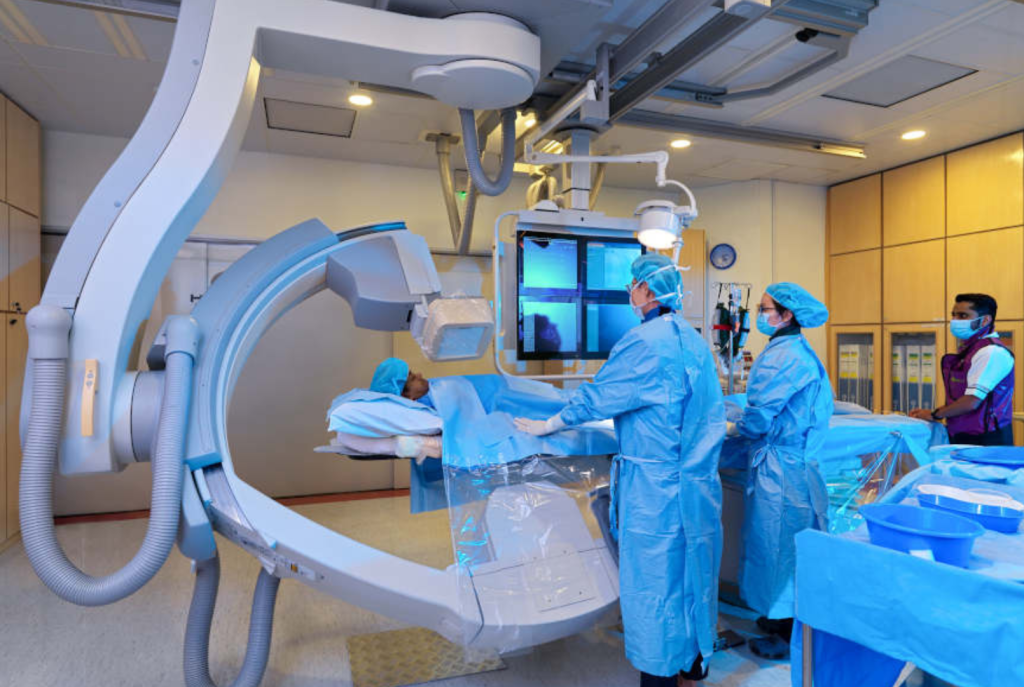
The intersection of technology and medicine has given rise to groundbreaking advancements in healthcare, with cardiology emerging as a forefront for innovative integration. Artificial Intelligence (AI) is poised to revolutionize cardiology by enhancing diagnostic accuracy, treatment effectiveness, and overall patient care. This article explores the ongoing trends, challenges, and future directions of AI in cardiology.
Ongoing Trends
Cardiology, encompassing a vast array of heart-related diseases, faces challenges in accurately diagnosing specific issues due to overlapping symptoms. AI aims to alleviate this by providing an all-encompassing mechanism for cardiac healthcare. The ongoing trends in AI application in cardiology include:
- Advanced Analysis of Screening Tests:
Echocardiograms, MRIs, and CT scans can be analyzed using sophisticated AI algorithms, ensuring precise measurements and comprehensive diagnostics.
- Research and Development:
AI contributes to the identification of novel drug therapies, disease stratification, and statistical analysis, fostering advancements in cardiac research.
- Continuous Remote Monitoring:
Wearable AI technology facilitates real-time monitoring of cardiac activity, enabling remote access for both patients and doctors.
- Integration of Multi-Omic Data:
AI technologies integrate multi-omic data, offering a holistic view of patient health and aiding in personalized treatment plans.
Noteworthy is the success of experimental studies, such as Dawes et al.’s cardiac MRI-based algorithm, showcasing the potential of AI in predicting health outcomes for patients with conditions like pulmonary hypertension.
Issues and Challenges
The integration of AI in cardiology is not without ethical concerns. Physicians grapple with the perceived shift of patient care from human professionals to machines, potentially conflicting with the Hippocratic Oath. Safety concerns also arise, as machine malfunctions could compromise patient well-being. Striking a balance between the promise of AI and its ethical implications remains a challenge in medical practice.
Future Directions
Despite challenges, ongoing research projects aim to make AI more accessible and impactful in cardiology. Future directions include:
- Wearable AI Technology:
Developing wearable devices for real-time cardiac activity monitoring, providing continuous updates and facilitating remote evaluation.
- Data-Driven Research:
Leveraging AI to record and validate empirical data, simplifying the analysis of symptomatology, biomarkers, and treatment effectiveness.
These initiatives promise to unlock the full potential of AI in cardiology, offering enhanced patient care, simplified diagnostics, and expanded knowledge in the field.
The marriage of AI and cardiology heralds a new era in healthcare, promising more accurate diagnostics and personalized treatment plans. While challenges persist, the ongoing trends and future directions underscore the potential benefits of AI in revolutionizing cardiology. As research progresses, the integration of AI is set to redefine patient-doctor relationships, providing a synergistic approach to heart health management.