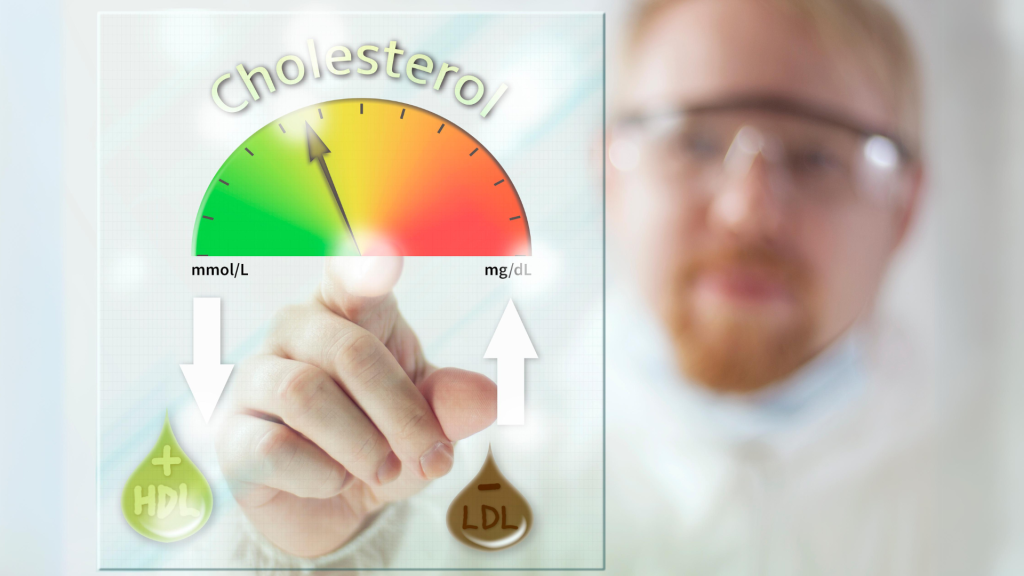
High cholesterol, a significant risk factor for heart disease and stroke, affects nearly two in five American adults. While lifestyle changes and medications like statins are standard approaches, individuals with a genetic predisposition face challenges in managing cholesterol effectively. Two groundbreaking experimental treatments, presented at the American Heart Association’s scientific meeting, offer potential breakthroughs for those genetically prone to high cholesterol.
CRISPR Gene Editing for LDL Cholesterol:
- Target Audience:
- Aimed at individuals with heterozygous familial hypercholesterolemia, a genetic condition causing exceptionally high cholesterol levels.
- CRISPR Gene Editing Process:
- Utilizes the CRISPR gene-editing system to make precise changes in the PCSK9 gene, crucial for LDL cholesterol production.
- Editing involves a single base pair alteration, a technique known as base editing.
- PCSK9 gene deactivation leads to a lasting reduction in LDL cholesterol.
- Study Details:
- Safety-focused study with different dosage levels.
- Higher doses resulted in LDL cholesterol reduction of up to 55%, sustained for six months.
- Long-term efficacy potentially extends beyond existing cholesterol management methods.
- Safety Considerations:
- Safety concerns arose, with heart-related events reported.
- Independent safety board findings indicated the first event was unrelated to treatment.
- Monitoring participants for 14 years to assess long-term safety.
Lepodisiran: Targeting Lipoprotein(a):
- Target Audience:
- Addresses individuals with elevated lipoprotein(a) levels due to genetic factors.
- Lipoprotein(a) contributes to arterial plaque formation, elevating the risk of heart attacks and strokes.
- Lepodisiran Mechanism:
- Lepodisiran, a small interfering RNA (siRNA), impedes the messenger RNA (mRNA) responsible for lipoprotein(a) production.
- A single injection demonstrated a reduction in lipoprotein(a) levels by up to 96%, maintained for 48 weeks.
- Safety Profile:
- Study, sponsored by Eli Lilly and Company, focused on safety.
- Minimal adverse effects reported, mainly mild reactions at the injection site.
- Promising safety indicators for further exploration.
Considerations and Future Directions:
- Extended Efficacy:
- Both treatments showcased longer-lasting effects compared to existing cholesterol management approaches.
- Potential for reduced dependence on regular medications.
- Safety and Long-Term Impact:
- Safety concerns and adverse events emphasize the need for rigorous monitoring.
- Long-term studies required to establish cardiovascular risk reduction beyond cholesterol level modifications.
- Comparative Value:
- Assessing the benefits of these innovative treatments against existing therapies in terms of efficacy, safety, and cost-effectiveness is essential.
- Striking a balance between potential benefits and risks is crucial for widespread adoption.
The presented experimental treatments represent pioneering efforts in addressing high cholesterol, especially in individuals with a genetic predisposition. While the CRISPR-based gene editing and lepodisiran offer substantial LDL and lipoprotein(a) reductions, respectively, continued research and comprehensive clinical trials are imperative. These innovations mark a significant step towards personalized and targeted cholesterol management, potentially transforming the landscape of cardiovascular health for those facing genetic challenges.