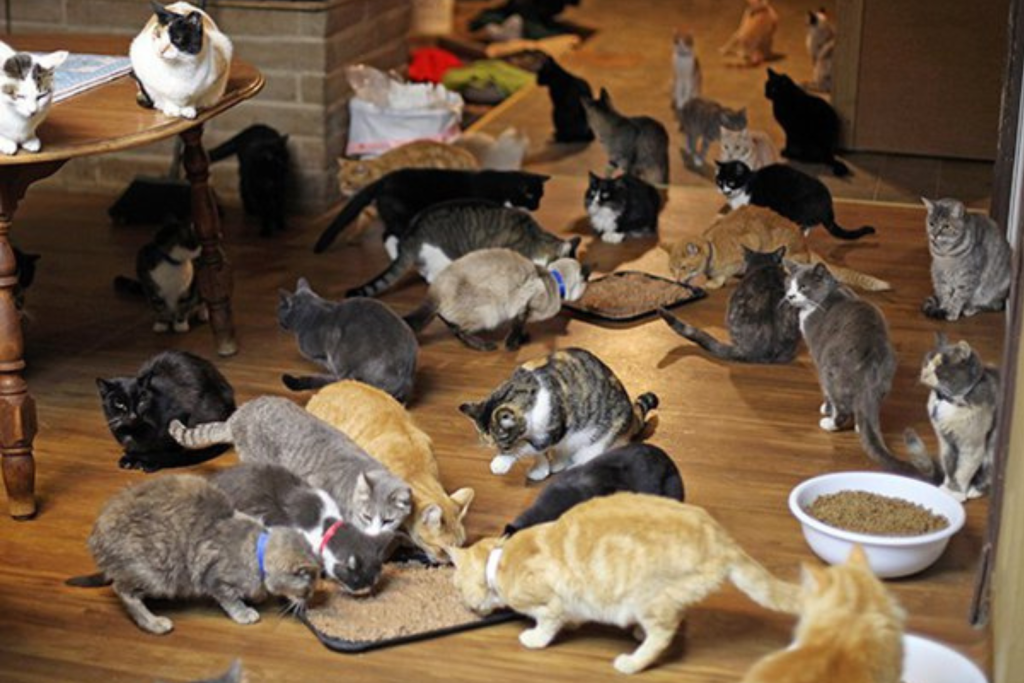
Animal hoarding, a complex and troubling condition, involves accumulating a multitude of pets beyond one’s capacity to care for them. While some individuals genuinely intend to rescue animals, the situation often spirals out of control, leading to harm for both the hoarder and the animals involved. This article aims to shed light on the subtle signs of animal hoarding, empowering communities to recognize and address this concerning behavior. By understanding the indicators, we can intervene, providing necessary support for both the affected individuals and the animals trapped in these distressing situations.
1. Highly Secretive Behavior: The Downward Spiral
Animal hoarders often exhibit highly secretive behavior due to shame and guilt, creating a cycle of isolation. They may refuse entry into their homes, close curtains, or exhibit extreme caution when interacting with others. This secrecy stems from a sense of embarrassment and a belief that they can resolve the situation on their own. If a pet owner becomes excessively secretive about their home and pets, it could signal animal hoarding.
2. Deteriorating Home Conditions: A Cry for Help
Hoarders struggle to maintain cleanliness and order due to overwhelming responsibilities. Pets, stressed in these environments, exhibit destructive behavior, further deteriorating the house. Red flags include torn curtains, uncleaned spaces, an unkempt garden, and rusting fixtures. If you notice a once-maintained home falling into disrepair, it might indicate animal hoarding.
3. Ammonia Odor: A Disturbing Stench
The buildup of animal waste in hoarding environments creates a potent ammonia odor. This stench, even outside the house, can be a sign of hoarding. It is indicative of unsanitary conditions, posing significant health risks to both humans and animals.
4. Delusional Beliefs: Denial and Disconnect from Reality
Animal hoarders often hold delusional beliefs, denying the severity of their situation. They might think their home is acceptable and their pets are in perfect health. Some may even believe they possess unique abilities to communicate with animals. These distorted thoughts contribute to their inability to recognize the harm they’re causing. Identifying these delusions can provide insight into potential animal hoarding.
Taking Action Against Animal Hoarding
Recognizing the signs of animal hoarding is crucial for early intervention. By understanding the secretive nature, deteriorating living conditions, ammonia odor, and delusional beliefs, communities can extend a helping hand. Encouraging affected individuals to seek professional assistance and involving animal welfare organizations can rescue both the hoarder and the animals from this harmful cycle. Together, we can create awareness, empathy, and support networks, ensuring a safer environment for everyone involved.