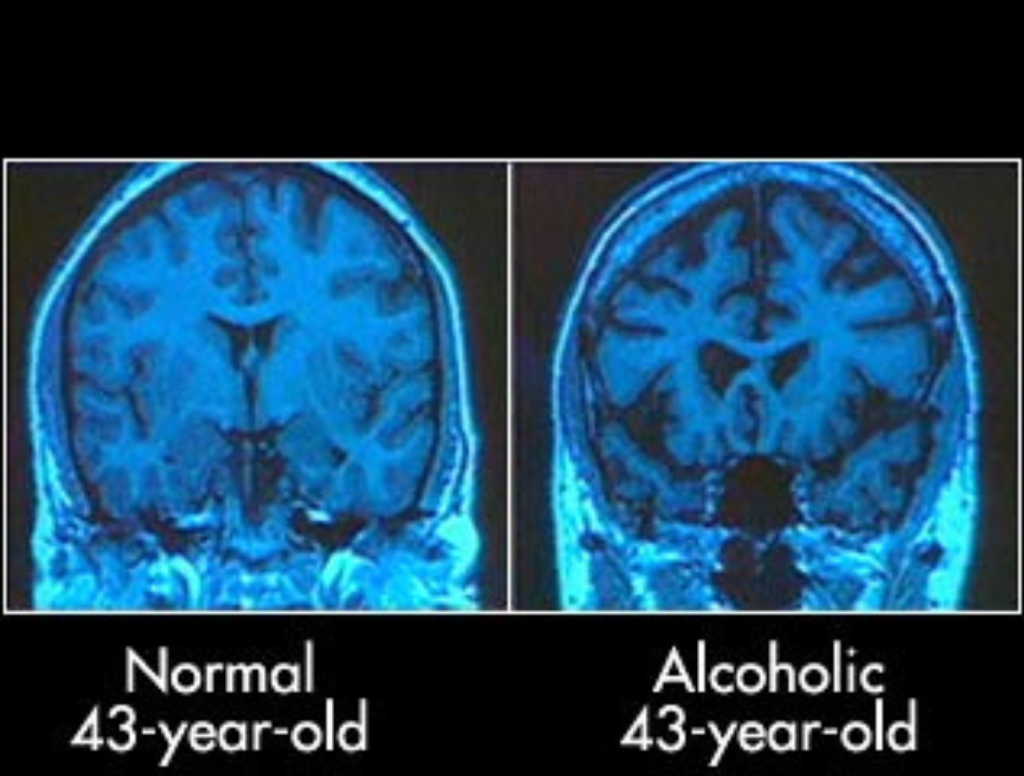
A groundbreaking study published in Nature Mental Health has unveiled a common brain network shared by individuals with substance use disorder (SUD). This discovery holds significant implications for understanding the underlying neural circuitry of addiction, potentially opening new avenues for targeted treatments. Substance use disorder is a complex condition that involves both genetic predisposition and environmental factors. This study not only sheds light on the neurological basis of SUD but also underscores the importance of a comprehensive bio-psych-social assessment for effective treatment strategies.
Understanding Substance Use Disorder
Substance use disorder is a condition in which individuals exhibit intense responses to certain stimuli, such as encountering substances they are addicted to. This leads to powerful urges and cravings that are difficult to resist. Moreover, individuals with SUD may experience abnormal brain activity in regions responsible for pleasure, learning, memory, and motivation. These alterations in brain function contribute to the persistent cycle of addiction.
Key Findings of the Study
Researchers from Brigham and Women’s Hospital conducted a comprehensive analysis of over 100 addiction studies, aiming to uncover shared brain networks among different types of substance use disorders. Instead of focusing solely on specific brain regions, this study sought to identify common brain networks associated with SUD.
The results were striking: the study confirmed the existence of a shared brain network consistently linked to various substance use disorders across different imaging modalities. This discovery has profound implications for treatment, as it suggests that targeting this common brain circuit could be a therapeutic approach for multiple forms of addiction.
Potential Therapeutic Implications
The identification of a common brain network associated with substance use disorders raises the possibility of utilizing neurostimulation interventions to treat addiction effectively. By targeting this shared circuit, clinicians may develop innovative treatments that address the root causes of addiction and help individuals regain control over their cravings and behaviors.
Genetic Predisposition and Environmental Factors
Substance use disorders can have a genetic component, making certain individuals more predisposed to addiction. However, the study emphasizes that genetics alone do not determine the development of addiction. Environmental and lifestyle factors also play a significant role in the onset and progression of substance use disorders. This comprehensive approach highlights the need to consider the interplay of biological, genetic, emotional, and behavioral factors in addiction assessment and treatment.
The discovery of a common brain network in substance use disorder represents a significant leap forward in understanding addiction’s neurological underpinnings. By identifying this shared circuitry, researchers and clinicians are better equipped to explore targeted treatment options that address the core mechanisms of addiction. Furthermore, this study underscores the importance of conducting thorough assessments that consider genetic predisposition, environmental factors, and the broader bio-psych-social context when addressing substance use disorders.