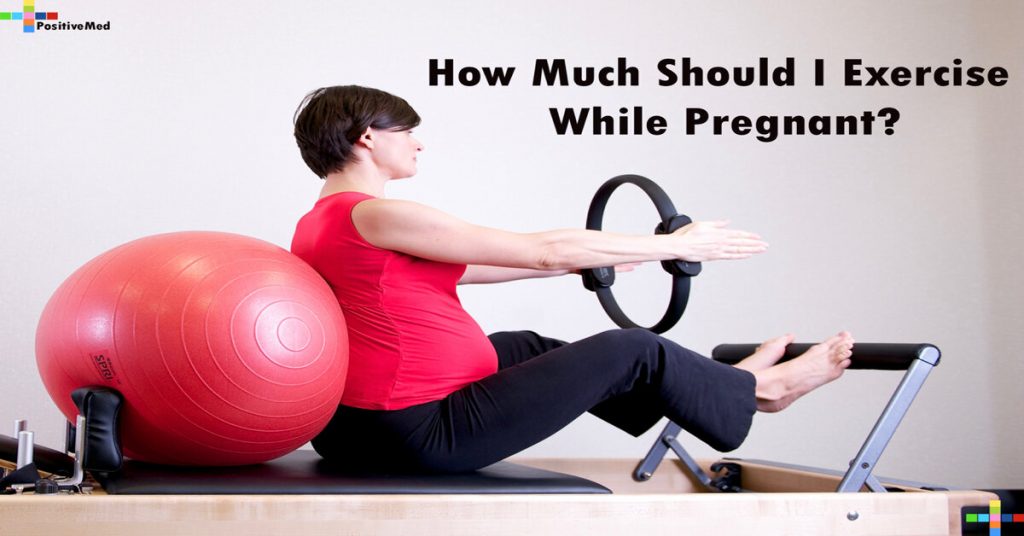
There are tons of myths and old wives tales about pregnancy, especially about physical activity. You’ve probably heard at least a few: Don’t lift anything above your head! Avoid your usual workout routine! But take all this well-meant advice with a grain of salt. It’s perfectly safe, and actually highly recommended, to get regular exercise while you’re pregnant.
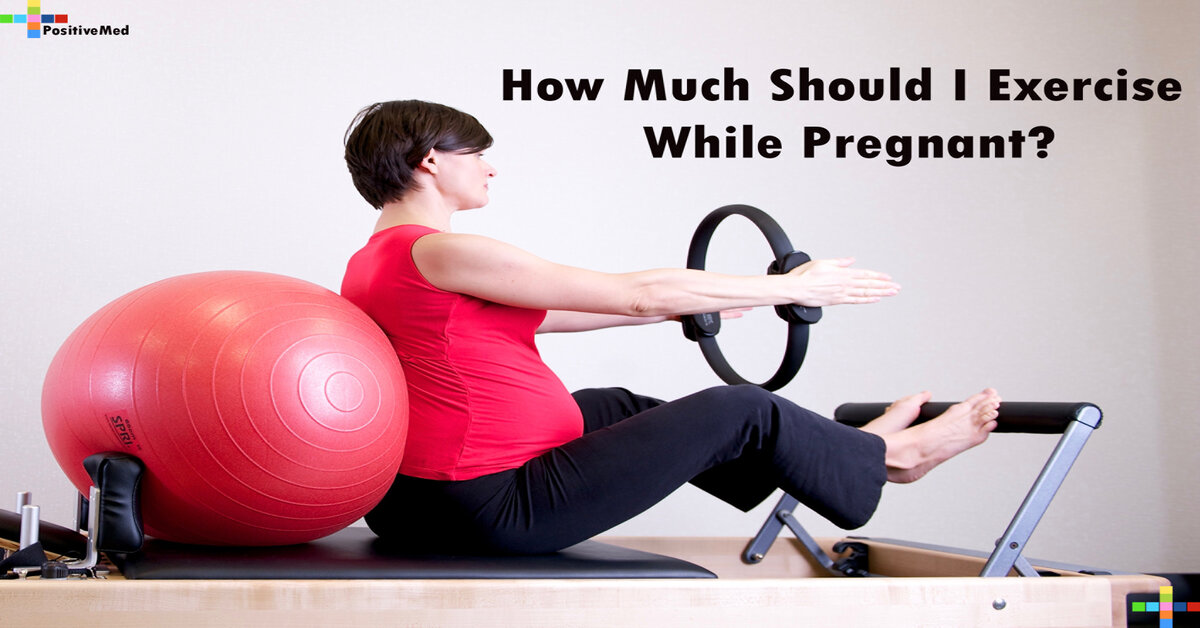
Most of the myths about exercising during pregnancy stem from fears that it may cause complications or miscarriage. In the vast majority of cases, this is simply not true. For many women, it can have significant benefits, like a decreased risk of gestational diabetes. If there are no factors preventing you from exercising, doctors suggest that pregnant women should get 150 minutes per week of moderate exercise, according to newly released guidelines. Spread out over five days, that’s just 30 minutes of physical activity per day. You can reach that goal without breaking a sweat. Metaphorically speaking, of course.
Your workout should be moderate in intensity, but not too tough. A good rule of thumb is to shoot for an increased heart rate, but not work so hard you can’t easily carry on a conversation at the same time. Not sure how to get started? Go for a walk! Walking is a great way to get your workout in, especially if you need to ease into being more active. It’s also something you can do any time, anywhere—definitely a handy attribute if you don’t feel like making a trip to the gym. If your pregnancy is making it uncomfortable to walk, however, try water aerobics or swimming. The water provides extra support and can relieve the strain on tired muscles.
There are a few types of exercise pregnant women will want to avoid. It’s easier to overheat when you’re pregnant, so no hot yoga or pilates. Anything that can cause pressure changes, like working out at high altitudes, or scuba diving, can also pose unnecessary risks for the baby. And of course, anything that involves high risk of falling, like ice skating or horseback riding, or contact sports like kickboxing are a no-no.
Even if you’re well into your pregnancy, there’s no reason you can’t start exercising. It can help you deal with some of the unpleasant side effects of pregnancy, like constipation, bloating, and sleeplessness. Just make sure that you check with your doctor before you start a new exercise regimen, and start slow if you’re not used to working out. You can take your time building up to that recommended 150 minutes!
In short, as long as your doctors give you the okay, pregnancy is a great for you time to work out. It can improve your health and help make your pregnancy more comfortable. While there are some types of exercise pregnant women should avoid, most types are perfectly fine if performed in moderation. Aim for a 30-minute workout at least five days a week, and you’ll be doing yourself, and your baby, a big favor.