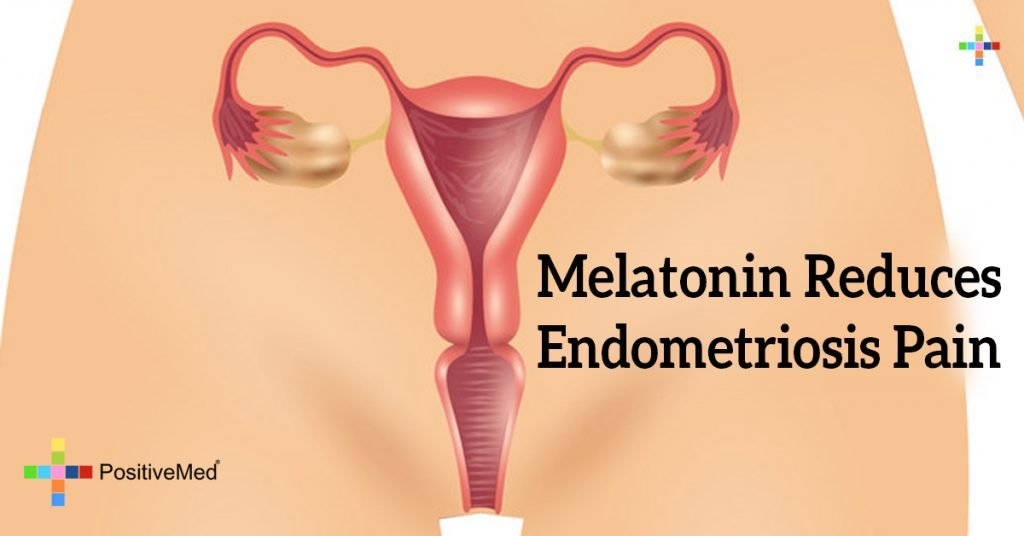
Melatonin Reduces Endometriosis Pain
By: Dr. Peter Abaci
Melatonin is best known as an over-the-counter sleep aid supplement. It is an important naturally occurring hormone produced by the pineal gland which is located inside the brain. Melatonin helps regulate the body’s circadian rhythms so that when its levels rise, it signals the body that it is nighttime and therefore time to fall asleep. When the body is exposed to daytime sunshine, the melatonin levels drop, and this fluctuation in melatonin has long been considered a key ingredient to setting our biological clocks.
More recently, studies have shown that melatonin may have effects on the body well beyond the regulation of circadian rhythms. In fact, melatonin has been shown to exhibit both pain relieving and anti-inflammatory effects as well as functioning as a potent anti-oxidant that supports immune function. Animal studies have found that melatonin can reduce symptoms of acute pain, inflammation, and nerve pain, and low melatonin levels have been associated with certain cancers including breast and prostate cancer.

Now, an interesting human study has just been published in the journal Pain by a group of researchers in Brazil who found melatonin to significantly reduce pain symptoms associated with endometriosis. Endometriosis is a significant cause of pelvic pain in women that activates pain receptors and their nerve fibers around organs inside the pelvis. With endometriosis, tissue that typically lines the inside of the uterus appears around other organs like the ovaries or intestines, and during menstrual cycles these transplanted tissues go through similar cyclic changes as is seen along the lining of the uterus, leading to pain in these locations. It has been estimated that anywhere from 3-10% of the female population has symptomatic endometriosis.
The Brazilian study showed that melatonin significantly reduced pain associated with endometriosis, lowered levels of a key nerve irritant, and also improved the patients’ sleep cycles. The melatonin also caused shrinkage of endometriosis lesions adding to the uniqueness of what it can potentially offer endometriosis sufferers. Melatonin may offer pain relieving help to other conditions, as well, and past studies have shown positive results with conditions like fibromyalgia and irritable bowel syndrome.
The potential dosing of melatonin for pain relief is still unclear but the study referenced above used 10 mg at bedtime. Recommendations for dosing in the treatment of insomnia and jet lag are often around 5 mg at night. Always exercise caution and consult your physician before starting any new supplement.
 Painreliefrevolution.com is dedicated to chronic pain sufferers. Founded by Dr. Peter Abaci, he and the rest of the team of experts work together to bring members information on many chronic pain conditions and treatment options.