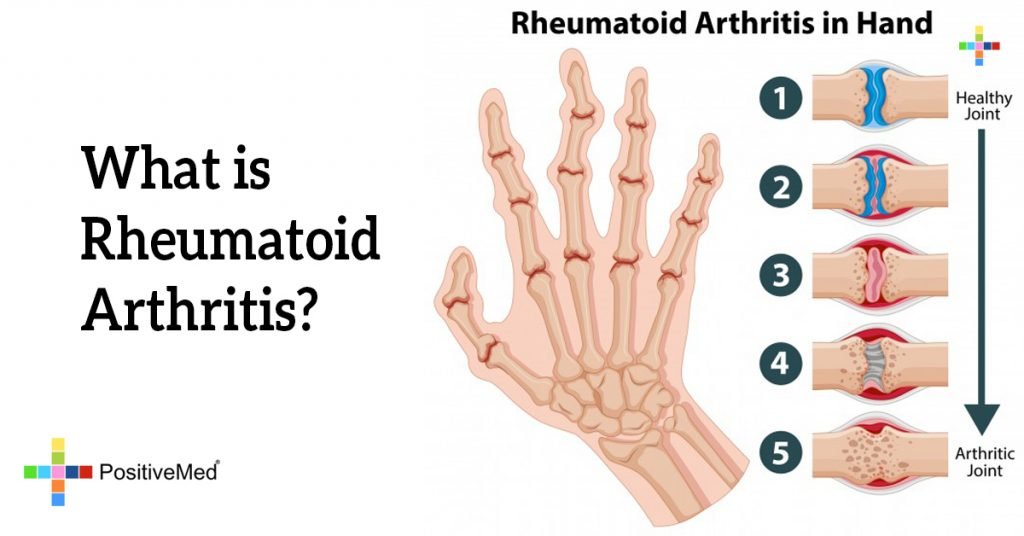
First of all, Rheumatoid Arthritis, or RA, is chronic inflammation of the joints, characterized by redness, swelling, and pain. With rheumatoid arthritis the inflammation generally affects both sides of the body, such as knees, wrists, hips, or hands. This symmetry helps to differentiate from other types of arthritis. Rheumatoid arthritis can also affect the skin, nerves, eyes, lungs, heart, and blood.

What is Rheumatoid Arthritis?
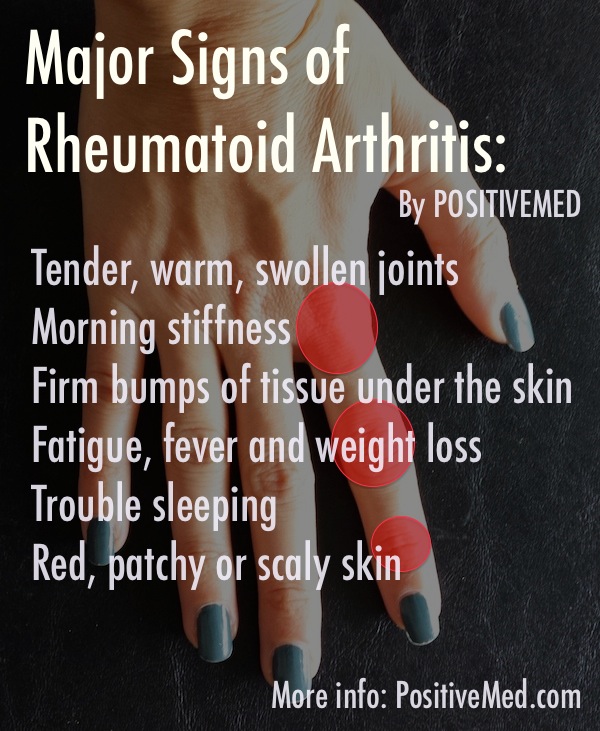
Rheumatoid arthritis is an autoimmune disorder that affects about 1% of the population. Symptoms include, but are not limited to: joint stiffness, swelling, pain, fatigue, redness and warmth, feeling ill, loss of appetite, muscle aches, rheumatoid nodules (bumps under the skin, typically on elbows) voice hoarseness, shortness of breath or chest pain (with heart involvement) and red, painful, or dry eyes. The hands are almost always involved, and it can affect any joint in your body.
For a proper diagnosis your doctor will need an accurate assessment of all symptoms, as well as x-rays and blood tests. The sooner a diagnosis occurs the better off you will be as rheumatoid arthritis requires aggressive treatment to prevent joint damage. Symptoms can come and go but are usually persistent, x-rays and blood tests will help to determine if it is rheumatoid arthritis or another disease with some similar symptoms such as lupus, fibromyalgia, osteoarthritis, and gout.
Rheumatoid Arthritis Treatment:
The main goal of rheumatoid arthritis treatment is to ease pain and stop progression of joint damage, in severe cases surgery may be necessary to correct joint damage already there. Your doctor will usually prescribe a course of NSAID’s (non-steroidal anti-inflammatory drugs such as aleve or ibuprofen) DMARD’s (disease modifying anti-rheumatic drugs like methotrexate) or biologics, which are genetically engineered proteins which can slow or even stop progression of the disease. Physical and occupational therapy are very helpful, and steroids are often utilized, in injections or orally.
Other things you can do on your own, or as part of a non-traditional approach include exercise, which is essential for your joints and sense of well being, hot/cold therapy, acupuncture, mind/body therapy such as meditation, biofeedback, and supplements. Omega 3‘s and Vitamin E are highly beneficial to those with rheumatoid arthritis, as well as borage seed oil, which are shown to reduce inflammation and morning stiffness.

If you have rheumatoid arthritis, or think you have rheumatoid arthritis, it’s best to work closely with your doctor to determine what is right for you. Medication regimens are not cookie cutters unfortunately, not everything works the same for each person, the same goes for other remedies. It’s a trial and error process that is ongoing, what works for you today may not be as effective next year.
[Last Updated on May 20th 2014]
By Stephanie Dawson
Reviewed By Nima Shei, MD