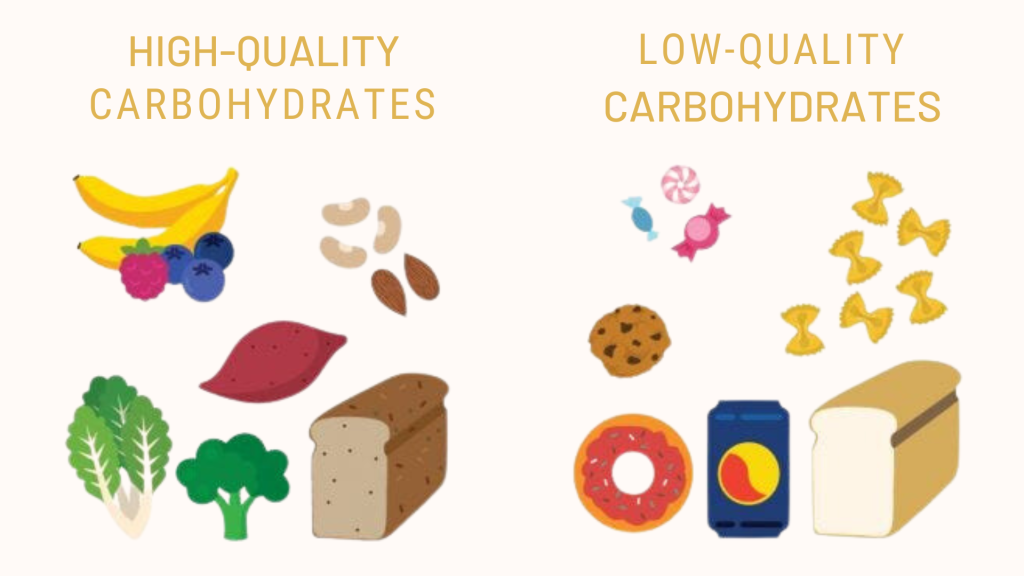
A recent study from Harvard T.H. Chan’s School of Public Health explores the impact of low-carbohydrate diets on long-term weight maintenance. The research indicates that the nature and quality of a low-carb diet play a crucial role in weight regain. This article delves into the study’s key findings and sheds light on the significance of diet composition in sustaining weight loss.
Study Insights
The study analyzed data from extensive U.S. studies spanning 1986 to 2018, involving 123,332 participants. It categorized low-carb diets into five types, highlighting the importance of food quality:
- Total Low-Carb Diet (TLCD)
- Animal-Based Low-Carb Diet (ALCD)
- Vegetable-Based Low-Carb Diet (VLCD)
- Healthy Low-Carb Diet (HLCD)
- Unhealthy Low-Carb Diet (ULCD)
Impact of Diet Quality
Participants adhering to a healthy low-carb diet experienced significantly less weight gain compared to those with no dietary change. Emphasizing high-quality proteins, fats, and less-refined carbohydrates, particularly from plant-based sources, led to the best outcomes. Conversely, diets rich in animal-sourced proteins, fats, and refined carbohydrates were associated with higher weight regain.
Challenges in Weight Maintenance
The study acknowledges the challenges of maintaining weight after significant loss, attributing it to hormonal changes and metabolic adaptations. The shift in resting metabolic rate, increased appetite, and altered energy intake contribute to the complexities of long-term weight management.
Importance of Diet Quality
The study emphasizes that the success of low-carb diets is not solely determined by the quantity of carbohydrates but by the quality and type. Diets focusing on healthier, plant-based sources demonstrate better results, promoting satiety, lower energy density, and improved nutrient richness.
Strategies for Successful Maintenance
Maintaining weight loss requires lasting habits and adaptability. The study suggests creating an adaptable plan, staying reflective, and leaning on support systems. Resilience and self-kindness are identified as essential components for long-term success.
Considerations for Low-Carb Diets
While low-carb diets show potential benefits, healthcare professionals recommend an emphasis on diet quality. Plant-based low-carb diets are favored for their high fiber content, lower energy density, and positive impact on gut health. Collaboration with a qualified healthcare professional, such as a registered dietitian, is recommended for personalized dietary plans.
The study underscores that the journey from weight loss to maintenance involves making lasting habits and prioritizing the quality of food sources. Low-carb diets, when designed with a focus on high diet quality, contribute to favorable outcomes in weight management. Individualized approaches, resilience, and self-compassion emerge as key elements for sustained success in long-term weight maintenance.