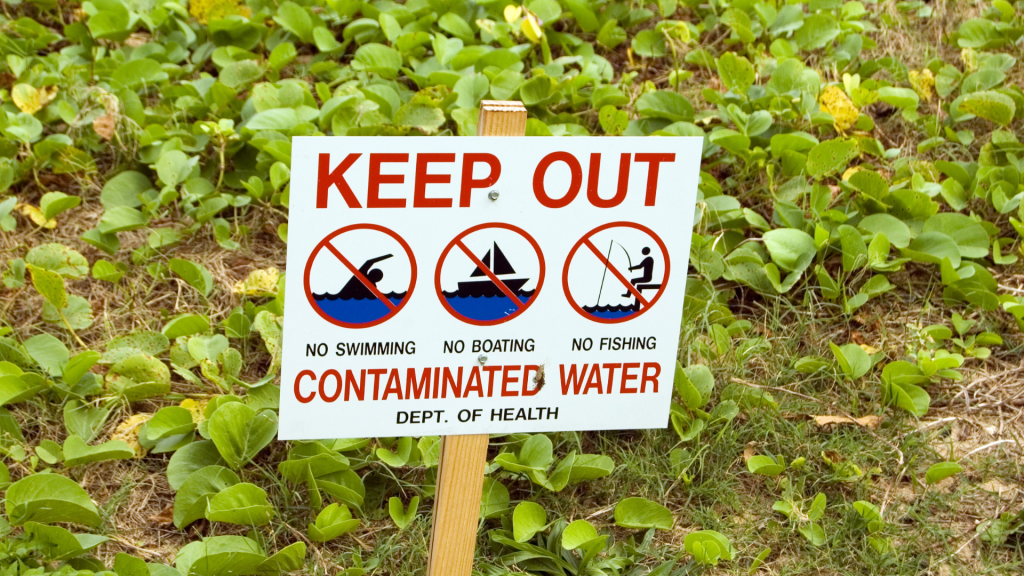
An alarming government study has raised concerns about the quality of drinking water in the United States. The study reveals that nearly half of the tap water in the country contains potentially harmful compounds known as “forever chemicals.”
Understanding Forever Chemicals (PFAS)
Forever chemicals, scientifically referred to as perfluoroalkyl and poly-fluoroalkyl substances (PFAS), are human-made chemicals that have been in use since the 1940s. These chemicals are called “forever chemicals” because they do not break down and can accumulate in the environment and the human body over time.
The Prevalence of PFAS in Drinking Water
The U.S. Geological Survey found PFAS in about half of the public water systems and private wells in the United States. This finding is particularly concerning as PFAS has been linked to various health problems, including kidney cancer.
Health Risks Associated with PFAS Exposure
While the potential health effects of PFAS exposure are still being studied, there are some concerns about its impact on human health. Some of the potential health risks associated with PFAS exposure include:
1. Cancer: Certain types of PFAS may cause an increased risk of specific cancers, such as kidney and testicular cancers.
2. Immune System Effects: PFAS exposure can interfere with the body’s immune response, potentially leaving individuals more vulnerable to infectious diseases.
3. Hormonal Disruption: PFAS can act as endocrine disruptors, interfering with the body’s hormonal systems and leading to various health problems.
4. Reproductive and Developmental Issues: PFAS exposure has been associated with reduced fertility, complications during pregnancy, and potential developmental effects in infants and children.
5. Liver Damage: High levels of certain PFAS can cause liver damage, leading to conditions such as non-alcoholic fatty liver disease.
6. Increased Cholesterol Levels: Some PFAS have been associated with changes in lipid metabolism, leading to increased cholesterol levels in the blood.
Protecting Against PFAS Exposure
While our understanding of PFAS and its impact on human health is evolving, there are proactive measures we can take to protect ourselves and our loved ones from potential exposure:
1. Utilizing Certified Water Filters: Choose water filters certified for PFAS removal to ensure the water you consume is free from these chemicals.
2. Avoiding PFAS-Containing Products: Opt for products labeled PFAS-free to reduce exposure from consumer goods.
3. Eating a Balanced and Varied Diet: Consuming a varied diet can help minimize potential exposure from any one source.
4. Staying Informed and Advocating for Stronger Regulations: Stay informed about PFAS research and advocate for stronger regulations to limit their use and ensure water safety.
The presence of “forever chemicals” in a significant portion of U.S. drinking water supplies is a serious public health concern. While more research is needed to fully understand the health effects of PFAS, taking proactive measures to protect against exposure is essential. By staying informed and advocating for better regulations, we can contribute to safeguarding our water and health.