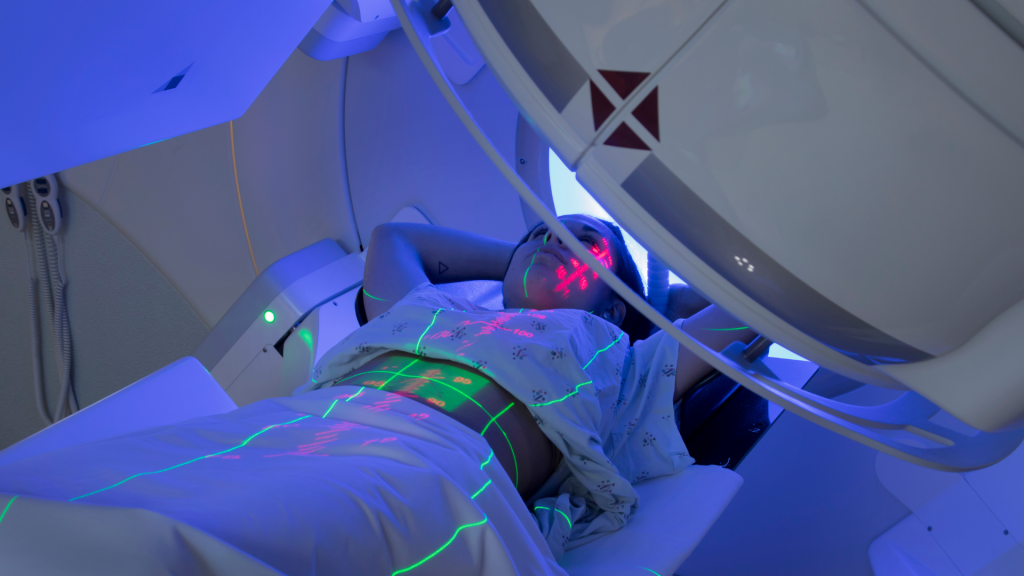
Study Highlights Alarming Increase in Early-Onset Cancers
A recently published study in JAMA Network Open has brought to light a concerning trend in the rise of early-onset cancers among individuals aged 50 and younger. The research, conducted between 2010 and 2019, revealed a substantial increase in the diagnoses of early-onset cancers during this period.
Gastrointestinal Cancer Takes the Lead
Among the various types of cancers affecting this age group, gastrointestinal cancer stood out as the fastest-growing category, with an alarming increase of 14.80%. Following closely were cancer of the endocrine system, experiencing an 8.69% rise, and breast cancer with a 7.7% increase.
Understanding Gastrointestinal Cancer
Gastrointestinal cancer encompasses a range of malignancies that originate along the digestive tract, including the esophagus, small intestine, stomach, pancreas, colon, bile duct, gall bladder, liver, anus, and rectum. The prominence of this type of cancer underscores the importance of recognizing risk factors and implementing preventive measures.
Contributing Factors to the Rise
The study authors attribute the surge in early-onset cancers to multiple factors, including the growing prevalence of obesity, alterations in environmental exposures, changes in sleep patterns, reduced physical activity, and transient exposure to carcinogenic compounds.
Expert’s Insights: Urgent Need for Lifestyle Changes
Dr. Monique Gary, a distinguished cancer expert, emphasized the urgency of addressing these alarming trends. She underscored the fact that many of the risk factors contributing to the increase in cancer rates among younger individuals are largely preventable. Factors such as obesity, tobacco and alcohol consumption, sedentary lifestyles, and inadequate sleep are key contributors that can be modified through conscious efforts.
Impact of the COVID-19 Pandemic
Dr. Gary pointed out that the COVID-19 pandemic has further exacerbated some of these risk factors. Lockdowns and lifestyle changes associated with the pandemic have led to increased sedentary behavior, unhealthy eating habits, and elevated stress levels, all of which can contribute to cancer risk.
Taking Action: Strategies for Risk Reduction
To reverse the trend of rising cancer rates, Dr. Gary stressed the significance of several key strategies:
1. Active Lifestyle: Engaging in regular physical activity is essential. Even small steps towards increasing daily movement can have a substantial impact on overall health and well-being.
2. Dietary Choices: Adopting a “food as medicine” approach by focusing on plant-forward diets rich in antioxidants and cruciferous vegetables can contribute to reducing cancer risk.
3. Tobacco and Alcohol Consumption: Being mindful of habits related to tobacco and alcohol intake is crucial, as these factors are strongly linked to cancer risk.
4. Holistic Wellness: Acknowledging that wellness encompasses various dimensions, including mental health, stress management, and social determinants of health, is vital.
The Need for Comprehensive Research
While the study sheds light on this disconcerting trend, Dr. Gary highlighted that additional research is needed to fully comprehend the underlying mechanisms. Examining patterns of chronic illnesses, sedentary lifestyles, and dietary habits in young individuals can provide valuable insights for designing effective preventive strategies.
Moving Towards Comprehensive Wellness
In conclusion, the study’s findings emphasize the need to take immediate action to address the rising rates of early-onset cancers. By prioritizing an active lifestyle, adopting a balanced diet, and managing risk factors like tobacco and alcohol intake, individuals can contribute to their overall wellness and significantly reduce their susceptibility to cancer and other chronic diseases.