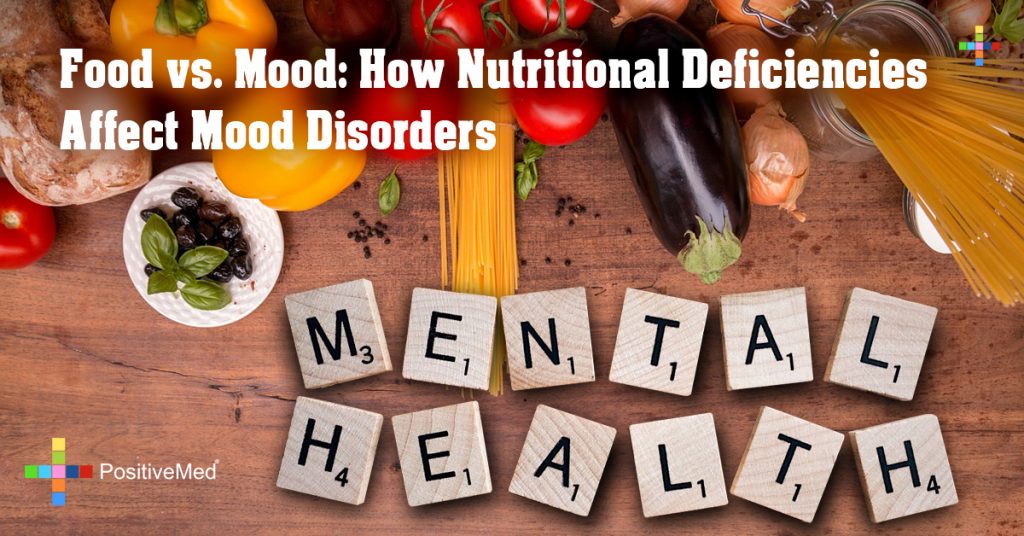
Food vs. Mood: How Nutritional Deficiencies Affect Mood Disorders
What you eat has more of an impact on your mental health than you might think. When your diet consists of too many overly processed foods instead of healthy, wholesome choices like fresh fruits and vegetables and lean meats, it’s easy to develop nutritional deficiencies that impact brain function and contribute to mood disorders.
A vitamin D deficiency, for example, can lead to the development of panic disorders while a vitamin B deficiency or a lack of omega-3 fatty acids can result in depression. A lack of amino acids, which are found in foods like beans, fish, eggs and meat can contribute to stress and anxiety. Consuming an unbalanced diet often results in multiple nutritional deficiencies that further complicate mood disorders.
RELATED ARTICLE: 7 Foods You Often Eat that May Ruin Your Good Mood
What impact do you think your diet has on your mental health? Do you feel happier and less stressed when you stick to healthy, unprocessed foods?