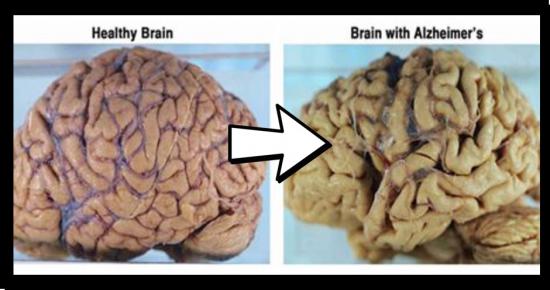
Many of us have experienced in our lives knowing someone, perhaps a close relative or a loved one, who has undergone the ravages of some mentally debilitating disease such as dementia or its more advanced form Alzheimer’s.
Recent Research Studies on Dementia and Alzheimer’s
Now affecting more than 5.2 million Americans, Alzheimer’s ranks as being in the top three killer disease list following cancer and heart disease. Almost 95 percent of the senior population suffering from dementia have shown one common denominator–a marked deficiency of Vitamin D.
Best Strategy Against Dementia: Prevention
Excess sugar consumption, lack of Vitamin D, lack of enough protein, and insufficient healthy fats are being blamed for the increase in dementia. Interestingly, few foods contain Vitamin D.
The reason? Nature intended Vitamin D to be obtained primarily through the skin, via exposure to the rays of the sun. Actually, fatty fish such as salmon and mackerel, are among the best sources of the vitamin–as are beef liver, cheese, and whole eggs.
Following are some dementia-related illness prevention strategies as devised by Dr. David Perlmutter, a well-known neurologist. The fight against the disease is currently costing more than $250 billion annually, yet according to Dr. Perlmutter, dementia is mostly preventable. Following are parts of his strategy:
1– Recent research indicates that a diet that uses extra virgin coconut oil contributes to a marked regression of the disease.
2– Optimize gut flora by eating fermented foods or taking a high-quality probiotic supplement.
3– The brain needs healthy fats such as grass-fed meats, extra virgin coconut oil, extra virgin olive oil, olives, avocado, nuts, organic or range-free produced eggs, and poultry.
4– Avoid high-starch carbs such as rice, wheat, pasta, and potatoes that turn into sugar faster than do low-starch carbs such as greens, green beans, collards, and mushroom. Essentially, a low carb diet is best.
RELATED ARTICLE: Alzheimer’s Research: An Illustrated History
5– Be sure to include a high-grade magnesium supplement along with your Vitamin D intake. Likewise, optimize your Vitamin D levels with daily exposure to the rays of the sun for about 10 to 15 minutes; this practice strengthens the immune system and bio-systems of the body.
6– Avoid flu vaccinations being that most contain both mercury and aluminum.
7– Avoid electromagnetic fields (EMF) created by wireless electronic devices such as cell phones, too much radiation from computers, microwave ovens, and other devices.
There is growing evidence that electromagnetic fields and exposure to radio frequencies can have a detrimental impact on Alzheimer’s disease along with adrenal fatigue, low thyroid, and a host of other chronic health problems including insomnia and cancer.
In contrast, there are research findings suggesting that therapy with Vitamin D may prove more beneficial than chemotherapy or conventional treatment administered for forms of breast cancer.
What plans do you have to increase your Vitamin D intake, if any? How many of them are you already making as part of your lifestyle and dietary choices?