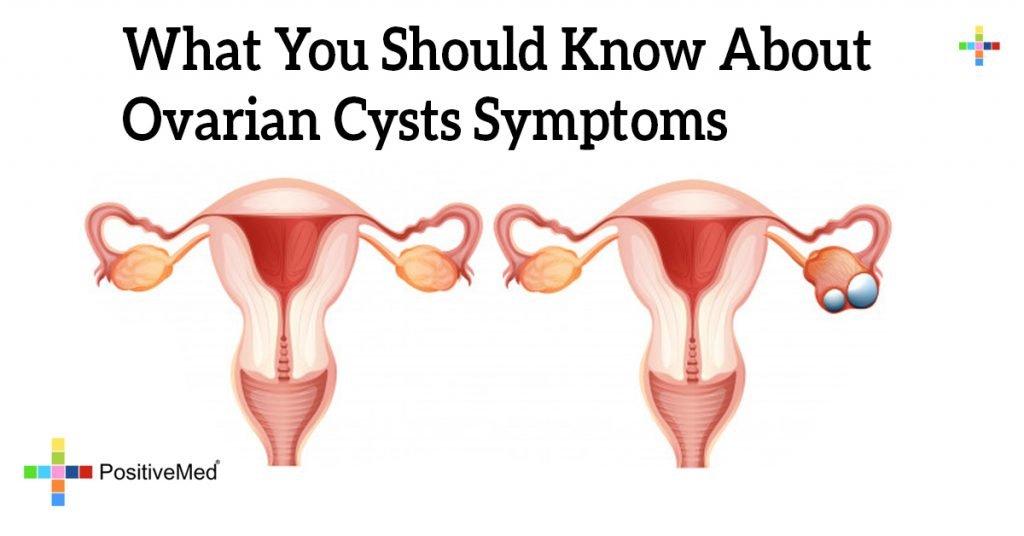
Ovarian cysts are fluid-filled sacs or pockets within or on the surface of an ovary. Women have two ovaries — each about the size and shape of an almond — located on each side of the uterus. Eggs (ova) develop and mature in the ovaries and are released in monthly cycles during your childbearing years.
Many women have ovarian cysts at some time during their lives. Most ovarian cysts present little or no discomfort and are harmless. The majority of ovarian cysts disappear without treatment within a few months.
However, ovarian cysts — especially those that have ruptured — sometimes produce serious symptoms. The best ways to protect one’s personal health is to know the symptoms that may signal a more significant problem and to schedule regular pelvic examinations.

Types of Ovarian Cysts:
- Functional Cysts– These normal cysts will often shrink and disappear within two or three menstrual cycles. Because this type of cyst is formed during ovulation, it rarely occurs in menopausal women because eggs are no longer being produced.
- Dermoid Cysts– These are ovarian cysts that are filled with various types of tissues, including hair and skin.
- Endometrioma Cysts– These cysts are also known as the “chocolate cysts” of endometriosis, and they form when tissue similar to the lining of the uterus attaches to the ovaries.
- Cystadenoma Cysts– These are ovarian cysts that develop from cells on the outer surface of the ovaries.
- Polycystic Ovarian Disease-This disease refers to cysts that form from a buildup of follicles. These cysts cause the ovaries to enlarge and create a thick outer covering, which may prevent ovulation from occurring and are often the cause of fertility problems.
A large ovarian cyst can cause abdominal discomfort. If a large cyst presses on your bladder, you may feel the need to urinate more frequently because bladder capacity is reduced.
The ovarian cysts symptoms, if present, may include:
- Menstrual irregularities
- Pelvic pain — a constant or intermittent dull ache that may radiate to your lower back and thighs
- Pelvic pain shortly before your period begins or just before it ends
- Pelvic pain during sex (dyspareunia)
- Pain during bowel movements or pressure on your bowels
- Nausea, vomiting or breast tenderness similar to that experienced during pregnancy
- Fullness or heaviness in your abdomen
- Pressure on your rectum or bladder that causes a need to urinate more frequently or difficulty emptying your bladder completely
Seek immediate medical attention if experiencing:
Sudden, severe abdominal or pelvic pain
Pain accompanied by fever or vomiting
These ovarian cysts symptoms and signs — or those of shock, such as cold, clammy skin, rapid breathing, and lightheadedness or weakness — indicate an emergency and to get to a hospital immediately.
Ovarian cysts often cause no symptoms, so it is especially important for women who have previously had cysts to have regular pelvic examinations. Women who have previously had ovarian cysts are at a greater risk of developing further cysts. In addition, endometriosis may be worsened by the presence of ovarian cysts, and your chance of needing to have your ovaries removed increases. In the unusual case of malignant ovarian cysts, early treatment offers the best hope for recovery. Women who develop ovarian cysts after menopause are more likely to have malignancies.
Please share this poster of ovarian cysts symptoms with other women:
To learn more about natural ways to manage ovarian cysts visit this article: “Natural Treatments for Ovarian Cysts“
What You Should Know About Ovarian Cysts Symptoms
By Khrystyana Kirton
Edited by Stephanie Dawson
Reviewed by Nima Shei MD
[Last Updated on May 24th 2018]