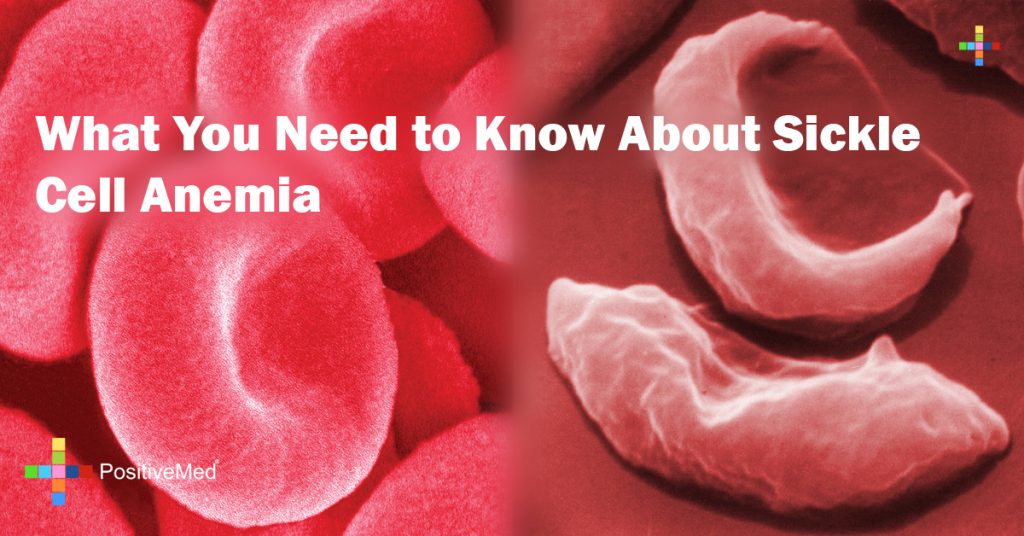
Sickle cell anemia is a disorder that affects the blood cells. They start to decrease and become a different shape.
During this process there’s a hemoglobin decrease. Hemoglobin is in charge of carrying oxygen to the tissues. Another problem is the lack of protein, iron and vitamins.

“Sickle-shaped” means that the red blood cells are shaped like a crescent, instead of like a doughnut, which is normal red blood form, becoming strong and sticky. For their own survival they block the blood vessels from the body, creating pain, and damaging organs, and can be very problematic and cause many problems such as:
Excessive bleeding, in surgery, during menstruation, and accidents, if the blood vessels break.
Unhealthy alimentation. A diet low in iron and vitamin C is one of the most common reasons for this disorder, that and genetics.
Chronic disease and thyroid problems.

That’s why taking steps to stay healthy may help you avoid complications of sickle cell anemia, if you or someone you know suffer from this disease follow the next suggestions to help stay healthy:
1. Take folic acid supplements daily, and choose a healthy diet packed with vitamins such as B6 and B12, since bone marrow needs them to make new red blood cells, increase the ingest of colorful fruits and vegetables, as well as whole grains. (During pregnancy it’s especially important to consume supplements)
2. Dehydration can increase your risk of a sickle cell crisis; therefor regular consumption of water is a must.
3. Exposure to extreme heat or cold can increase your risk of a sickle cell crisis, Avoid temperature extremes.
4. Reduce stress
5. Decrease ingestion of acidic foods, such as coffee and tea. They interfere with iron absorption.
6. Exercise (lightly) regularly, take a walk, clean the house, ride a bike, stay in constant movement but don’t overdo.
7. Celery infusion is high on iron, which is really good for you, take it at least twice per week, or more.
8. Finally, Plan ahead when traveling to high-altitude areas. There is less oxygen at higher altitudes, so you may require supplemental oxygen to avoid triggering a sickle cell crisis.