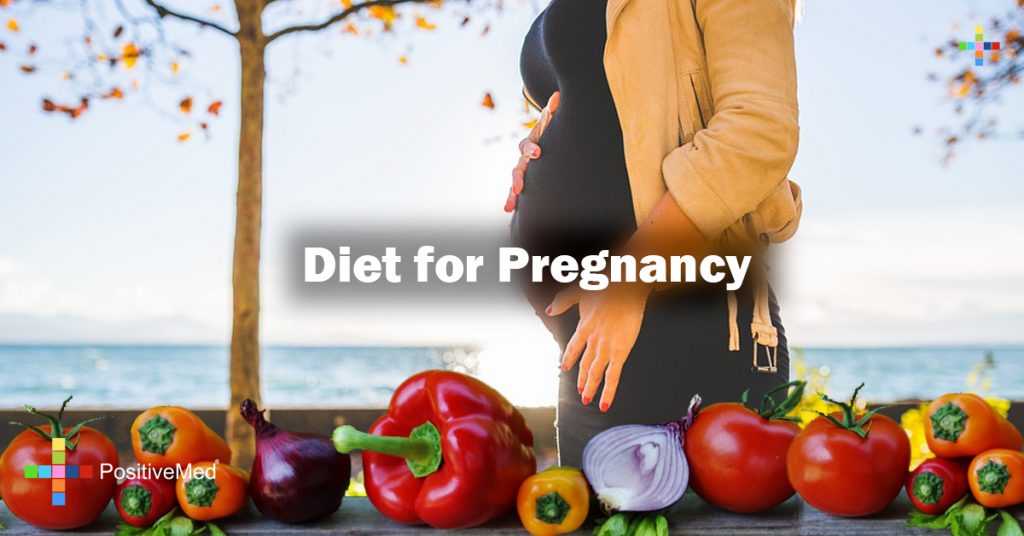
So, you’re pregnant, congratulations! You are entering one of the most amazing phases a person can experience, and which can also wreak havoc on your body! During pregnancy your body gives nutrients to the fetus first, which is rapidly growing and needs nutrients, and you get what’s left over. Because you want to remain healthy to care for this beautiful healthy little baby you may be interested in what foods you should be eating for optimal health for both of you.

When the term ‘diet’ is used, it is in the true meaning of the word, your food selections. Pregnancy is not the time to lose weight, you can worry about that later, if you choose to breast feed it helps to naturally remove any excess weight and is way better for the baby, it’s a win/win situation, in addition to being very convenient!
First of all, a good prenatal vitamin is essential, this has additional nutrients for a healthy pregnancy that are not in a regular multivitamin. You will also need about 300 calories a day more than you usually eat. Your body is hard at work during pregnancy, even at rest, and you really need these extra calories for optimal health. Daily you should have 3 servings of protein, at least 4 servings of vegetables, 3-4 servings fruit, and healthy carbohydrates to fill in the rest.

Folate and folic acid are essential for preventing birth defects. Folate is a B vitamin that helps in the development of the brain and spinal cord. Folic acid is the synthetic form of this vitamin. Current recommendations are for 800 mcg/day during pregnancy. Food sources include spinach, beans, fortified cereal, oranges, and asparagus.
Calcium for strong bones for you and your baby. You need about 1000 mg daily. Food sources include spinach, broccoli, fortified juice, milk, yogurt, salmon, cheese, and fortified cereal.
Vitamin D, also for strong bones and teeth. You will need about 600 IU every day. Food sources include asparagus, fish, eggs, fortified milk, and fortified juice. Calcium and D work together, so it’s best to combine them as often as you can.
Protein for muscle and tissue development, at least 71 grams every day. Good food sources of protein include dried beans and peas, tofu, peanut butter, lean meat, poultry, eggs, fortified cereals, and dairy products. It is possible to maintain a vegetarian or vegan diet if you wish, just increase your protein if you need to.

Iron is used by the baby to grow, and your own stores can be quickly depleted, anemia in pregnancy is very common. You need 27 mg every day, you can find it in spinach, beans, meat, poultry, and fortified cereals.
You should concentrate on whole foods as much as possible, this can help reduce common pregnancy problems like constipation and edema. Avoid excess caffeine, any alcohol, any tobacco products, and be aware of food toxins. Talk to your doctor about medications, some can harm the fetus. Please stay away from illegal drugs, get help if you need to. You don’t want to force an innocent person to eat toxic substances, even if you don’t normally follow a healthy diet, please try to for the benefit of your little one. You will never be sorry. Again, congratulations on this life-changing event, it will fill your life with joy!
Sources: http://www.webmd.com/baby/guide/eating-right-when-pregnant
http://www.mayoclinic.com/health/pregnancy-nutrition/PR00110/NSECTIONGROUP=2