Anxiety, a pervasive condition affecting over forty million Americans, often evokes a sense of hopelessness. While pharmaceuticals are commonly prescribed, they merely mask the symptoms, leaving the root cause unaddressed. However, there exist natural, holistic anti-anxiety strategies that are often overlooked. This article explores these forgotten techniques, offering a fresh perspective on anxiety management.
1. The Power of Touch: Hugging Away Anxiety
Physical touch, particularly in the form of hugs, can be a powerful antidote to anxiety. Scientific research demonstrates the healing effects of hugs, triggering positive chemical reactions in the body. Studies have shown that individuals receiving daily hugs experienced significant improvements in mental stability. For adults combating anxiety, simple acts like placing a hand on the chest during an attack or seeking comfort from a partner can create chemical shifts in the body, alleviating panic and restoring calmness.
2. Exercise: Completing the Stress Cycle
Understanding the body’s fight-or-flight response is essential in managing anxiety. Anxiety triggers a stress cycle, an internal mechanism designed to protect against threats. Completing this cycle is vital for resolution. While our ancestors encountered threats from wildlife, modern anxiety often lacks physical outlets. Exercise, by releasing endorphins, aids in completing the stress cycle. Activities as simple as dancing, jumping jacks, or a brief walk can counter stress hormones, making movement an invaluable tool in anxiety management.
3. Embracing Anxiety: Facing the Uncomfortable
Confronting anxiety rather than avoiding it can be surprisingly empowering. Identifying and vocalizing the physical symptoms during an anxiety attack can strip anxiety of its power. By acknowledging these sensations, individuals gain control over their emotional responses. Positive affirmations, reminding oneself of the temporary nature of anxiety, further empower the individual, challenging fear and fostering resilience.
4. Unraveling the Unknown: Embracing Certainty
Fear of the unknown amplifies anxiety. Acknowledging and naming one’s fears can significantly diminish their impact. Similar to a patient receiving a diagnosis, putting a name to anxiety dismantles its stronghold. Studies indicate that verbalizing emotions disrupts amygdala activity, regulating stress levels. Understanding and verbalizing anxiety’s presence can strip it of its mystery, empowering individuals to face it head-on.
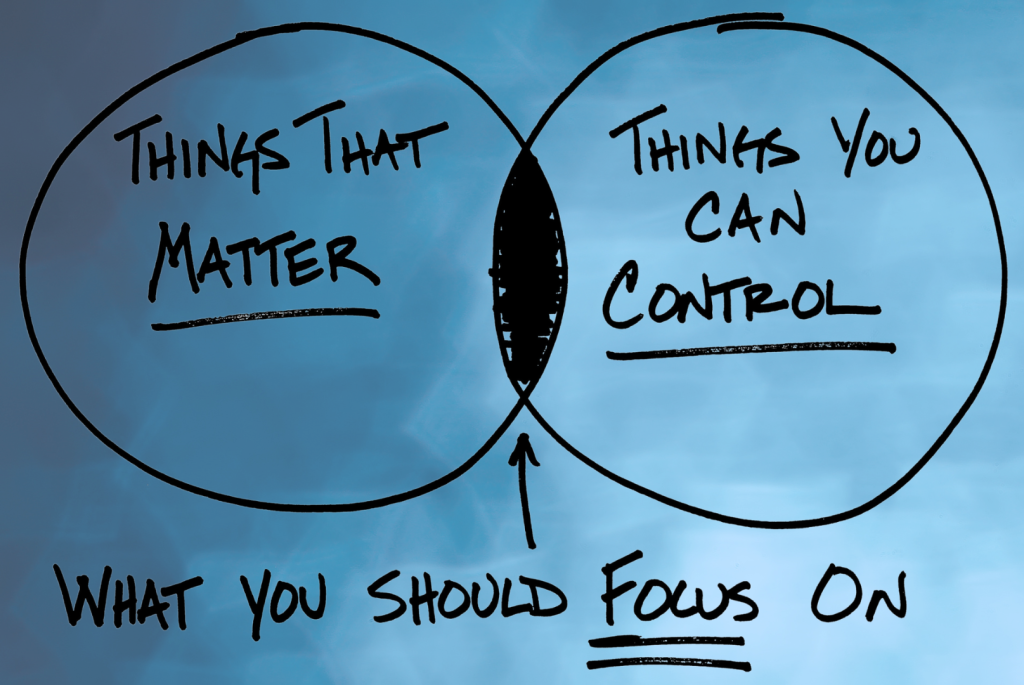
Anxiety, a pervasive and debilitating condition, can be effectively managed through natural, often overlooked techniques. By embracing touch, incorporating movement, confronting anxiety, and unraveling its unknown aspects, individuals can regain control over their lives. These holistic approaches not only offer relief but also foster resilience and mental well-being, transforming the way anxiety is perceived and managed.